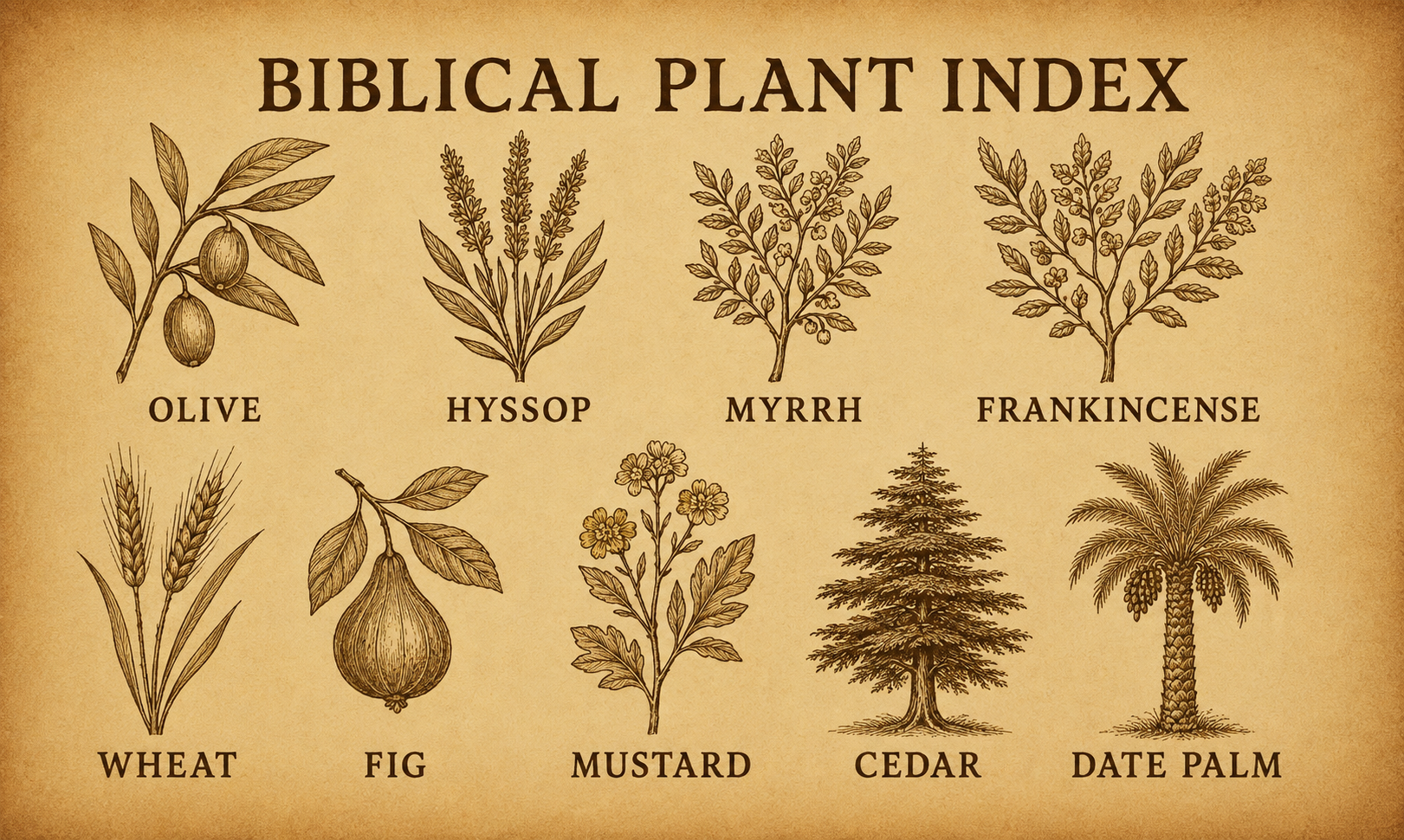
This index highlights plants and herbs mentioned in Scripture, with brief notes on their biblical context and spiritual significance
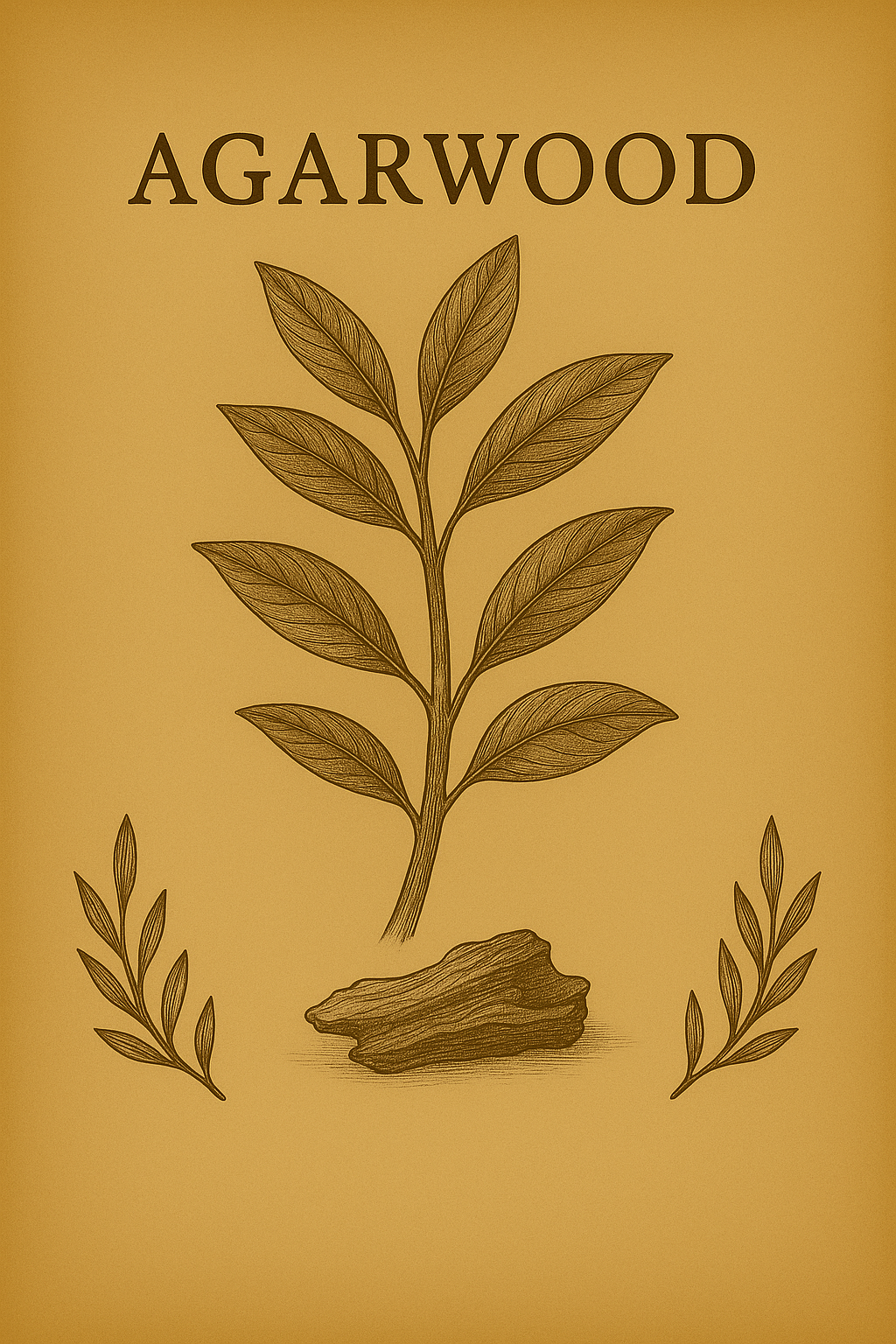
Aloes Agarwood– Used in Jesus’ burial preparations with myrrh. (John 19:39, Numbers 24:6)
Cultural Use: Imported from Arabia or India, used in embalming and purification.
Spiritual Meaning: Renewal, preservation, and divine fragrance. Represents life after suffering — it was used for Christ’s burial alongside myrrh.
Physical Use: Soothes burns, skin irritation, and digestive inflammation. Also used in cleansing and cooling ointments.
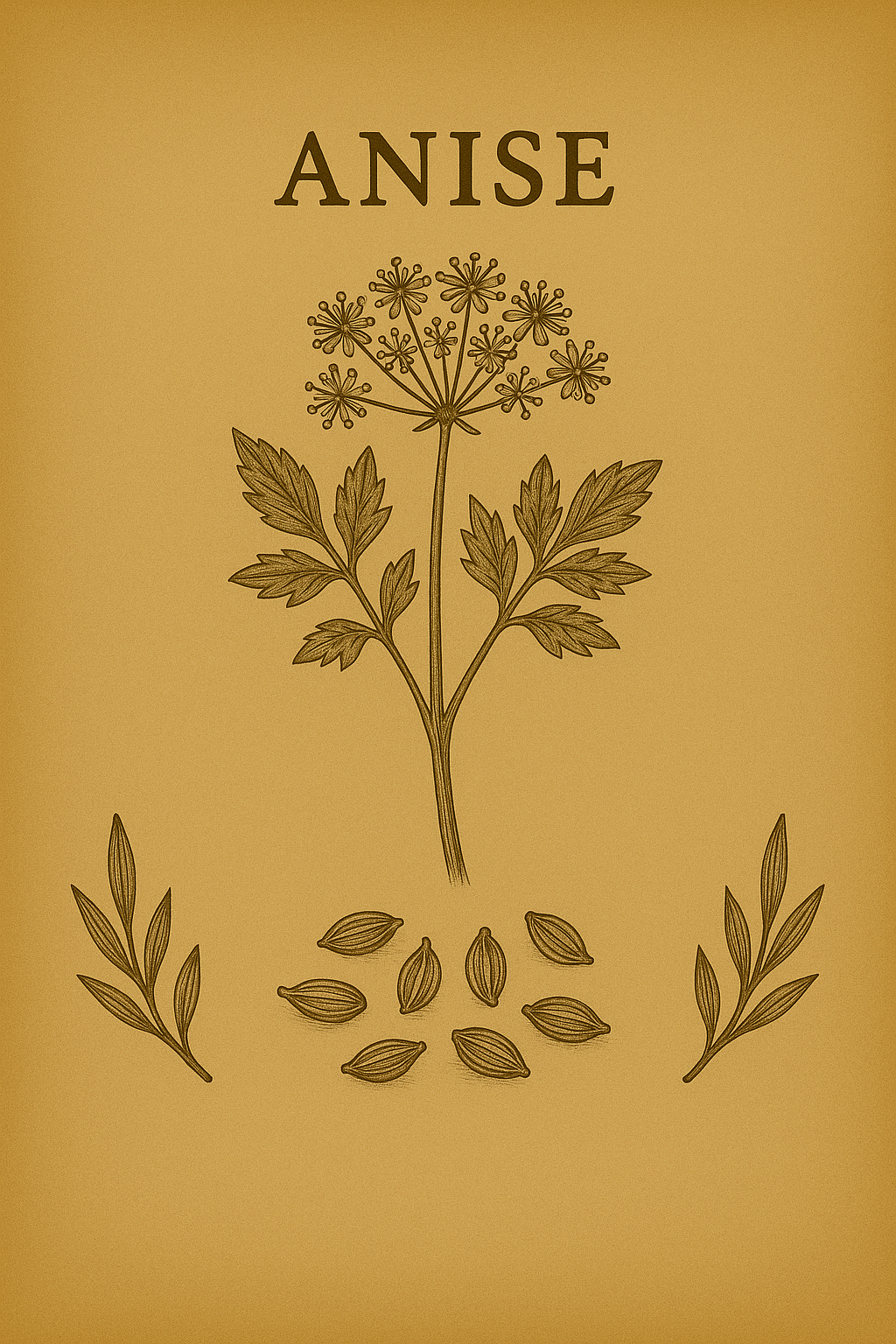
Anise – Mentioned in tithing practices, alongside mint and cumin. (Matthew 23:23)
Cultural Use: Anise was grown in the Levant and valued for its seeds’ sweet aroma and digestive effects.
Spiritual Meaning: Clarity, discernment, and spiritual sweetness. It symbolizes the purification of speech and intention — offering fragrance pleasing to God.
Physical Use: Used as a carminative and digestive aid, easing bloating, nausea, and colic. Also brewed in teas for coughs and throat discomfort.
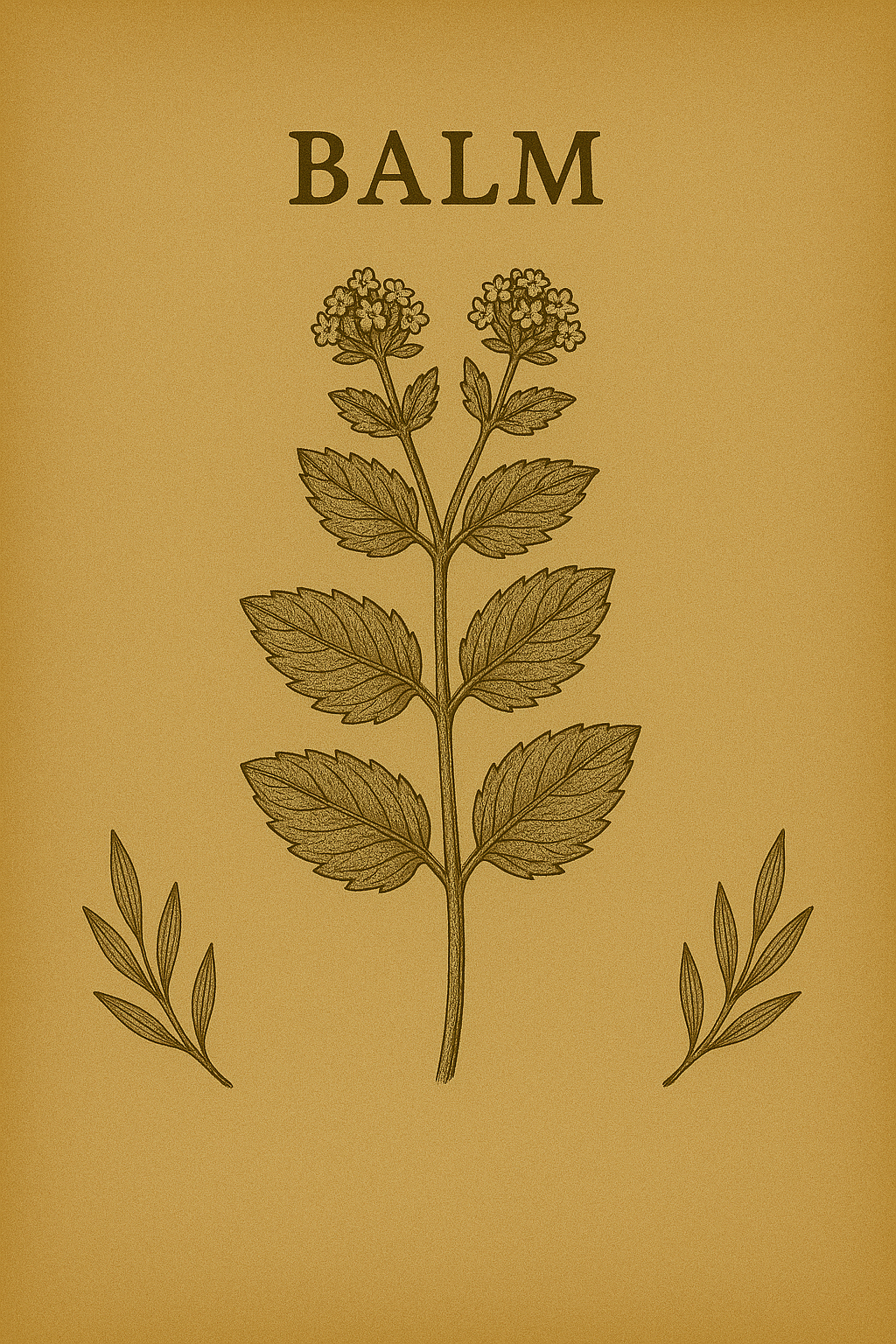
Balm (Balsam) – Used as a healing spice carried by Ishmaelites. (Genesis 37:25 ,Jeremiah 8:22)
Cultural Use: A rare resin from trees east of the Jordan, traded by caravans for its medicinal power.
Spiritual Meaning: God’s restoration and emotional healing. “Is there no balm in Gilead?” evokes the divine remedy for a wounded soul.
Physical Use: Used as a healing salve for wounds, bruises, and inflammation. The resin had antibacterial properties and was often mixed with olive oil.
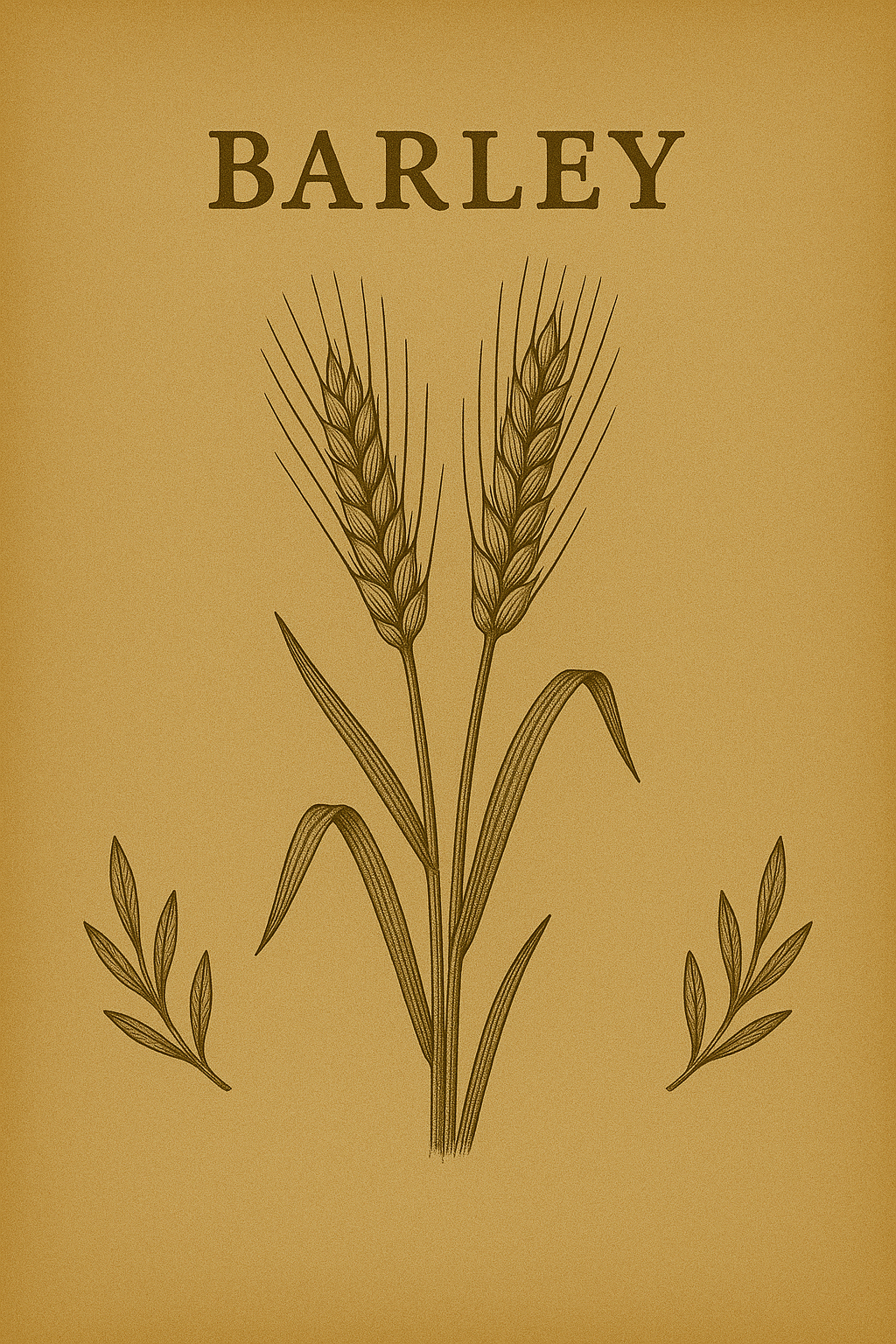
Barley - Ruth 1-3, Judges 7:13
Cultural Use: The first grain harvested in Israel; symbolic of humility and provision.
Spiritual Meaning: Simplicity, sustenance, and new beginnings. Barley offerings marked the start of harvest and God’s provision.
Physical Use: Used as a digestive tonic, easing constipation and stomach upset. Barley water was drunk to cool fever and strengthen the body
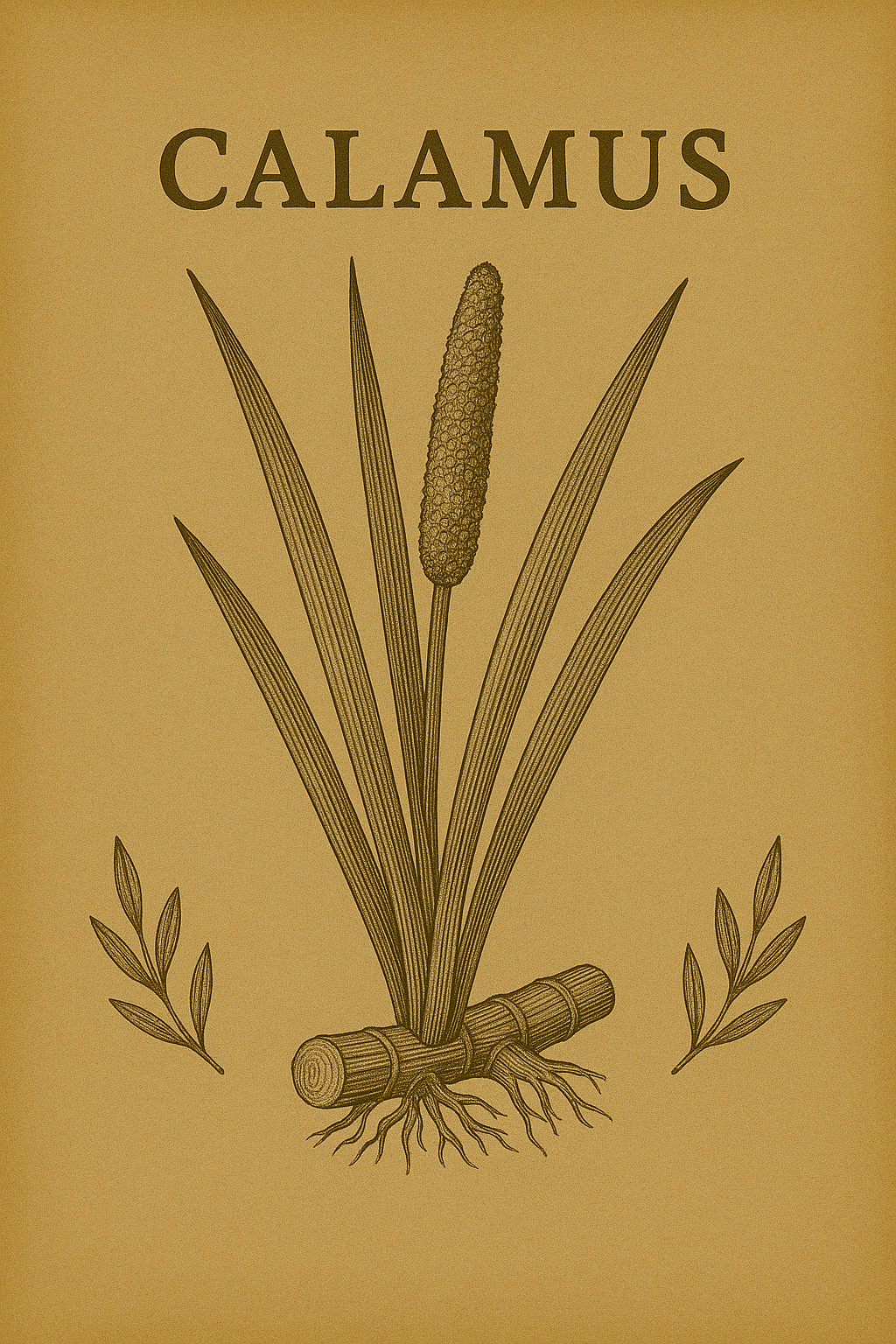
Calmus (sweet cane) - Used in holy anointing oil (Exodus 30:23; Jeremiah 6:20, Song of Solomon 4:14)
Cultural Use: A fragrant reed imported from India, used in the sacred anointing oil and temple incense. Known for its sweet aroma and rarity.
Spiritual Meaning: Represents joyful worship and uprightness before God. Its upright reed shape symbolizes moral integrity and devotion.
Physical Use: The root oil was used to calm the nerves, open airways, and soothe digestive upset. Often blended with cinnamon and myrrh in holy oils.
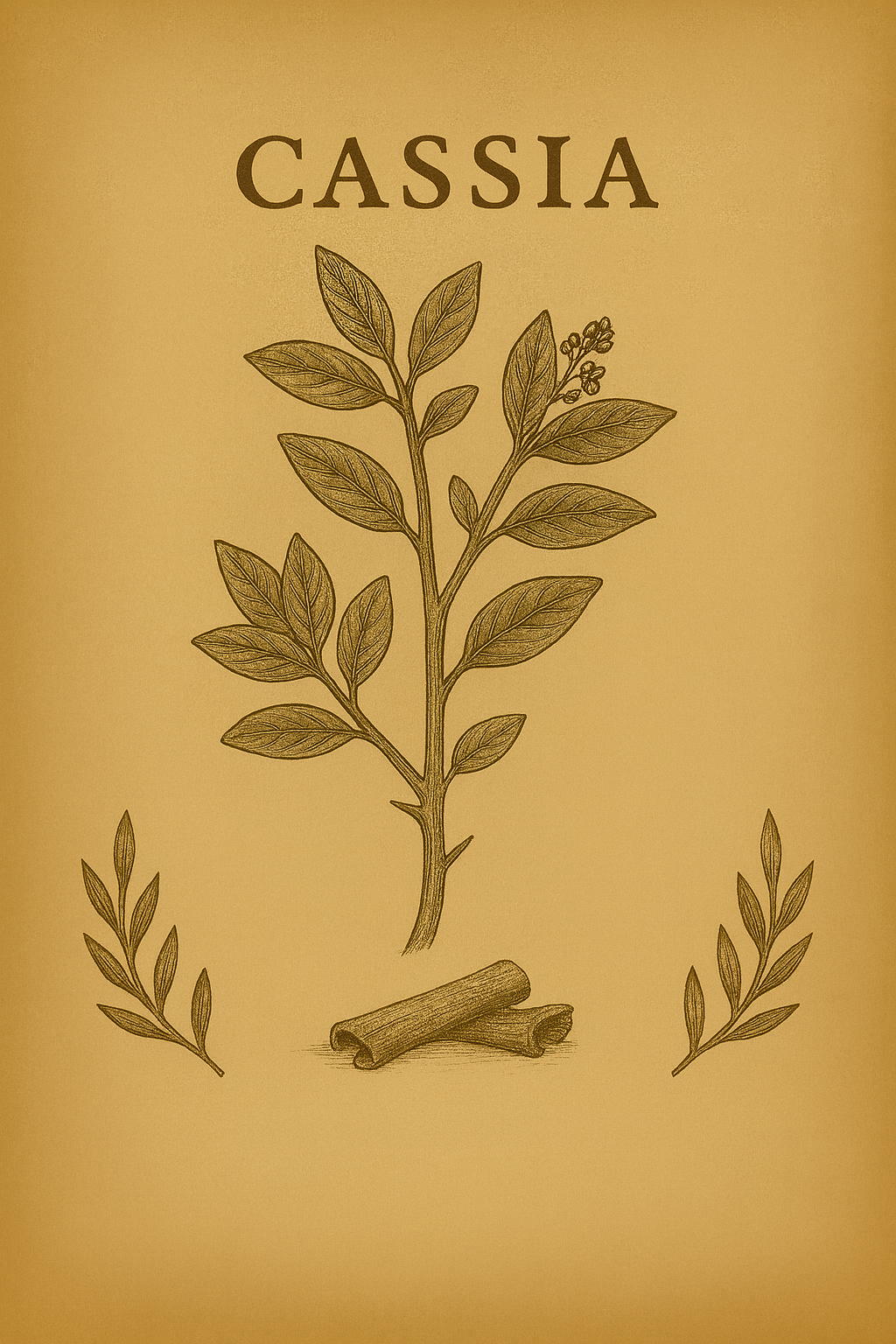
Cassia – Included in trade and sacred anointing oil. (Ezekiel 27:19, Exodus 30:24, Psalm 45:8)
Cultural Use: Cassia bark, imported from Arabia and India, was part of the sacred anointing oil.
Spiritual Meaning: Consecration, holiness, and divine fragrance. It represents sanctified worship — a reminder that healing begins with alignment to God’s will.
Physical Use:A warming stimulant, improving blood flow and digestion. Often combined with myrrh or cinnamon for muscle pain and cold relief.
Cedar wood - Leviticus 14:4–6, 1 Kings 5:6
Cultural Use: Cedar wood was used in purification rites, temple building, and incense.
Spiritual Meaning: Purity, protection, and strength. Its fragrance signified holiness and resistance to decay — symbolizing spiritual durability.
Physical Use: Cedar oil was used for disinfection, pest repelling, and respiratory clearing. The wood’s resin treated skin conditions and was burned for purification of spaces.

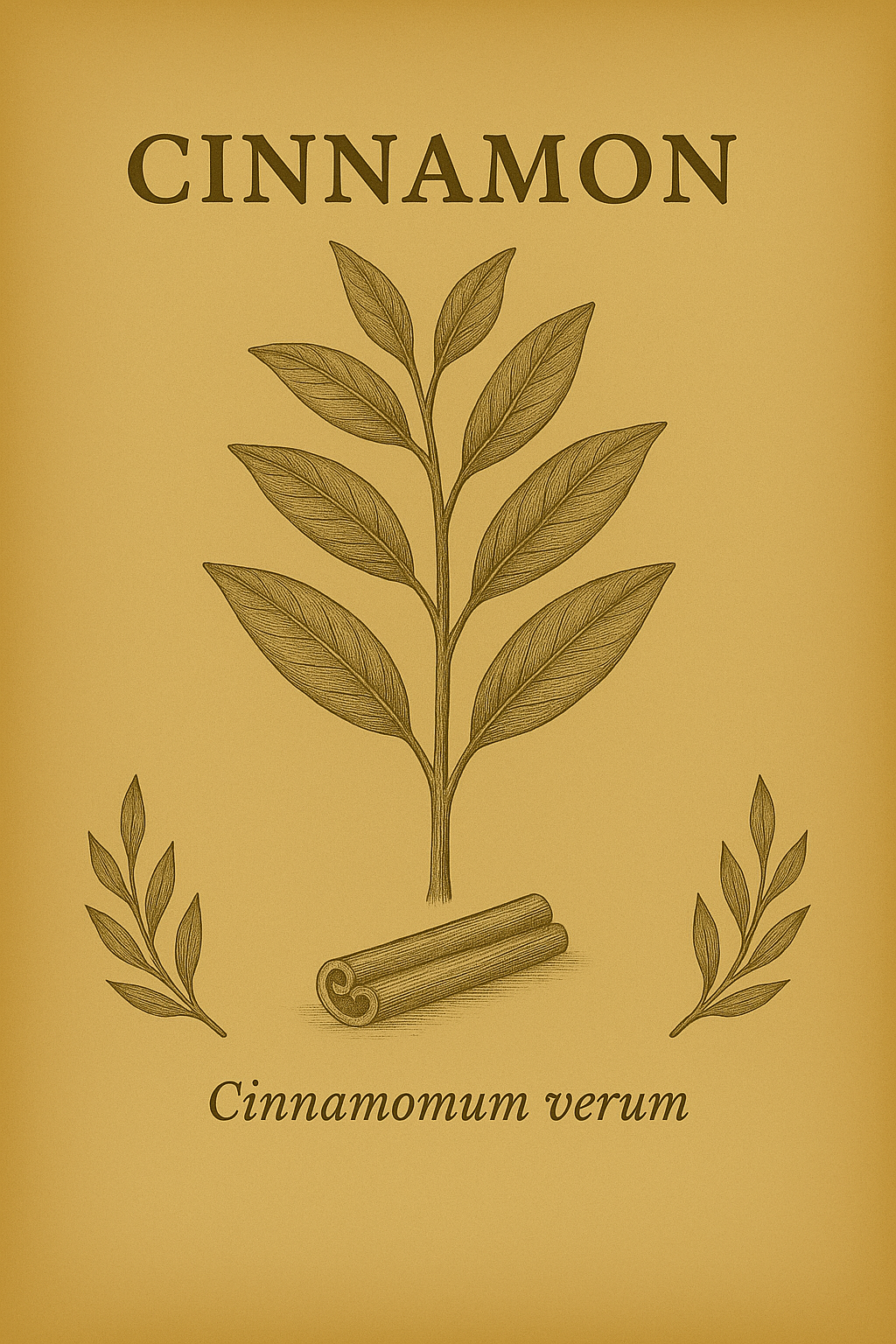
Cinnamon – Used in holy anointing oil. (Exodus 30:23 Proverbs 7:17 Revelation 18:13)
Cultural Use: Highly prized spice used in holy anointing oil and perfumes for temples and palaces.
Spiritual Meaning: Passion, vitality, and spiritual warmth. Associated with divine fire and revival — it stirs both the body and spirit.
Physical Use: Acts as an antimicrobial and circulatory stimulant, aiding metabolism, menstrual flow, and cold prevention. Often used in warm baths or oils.
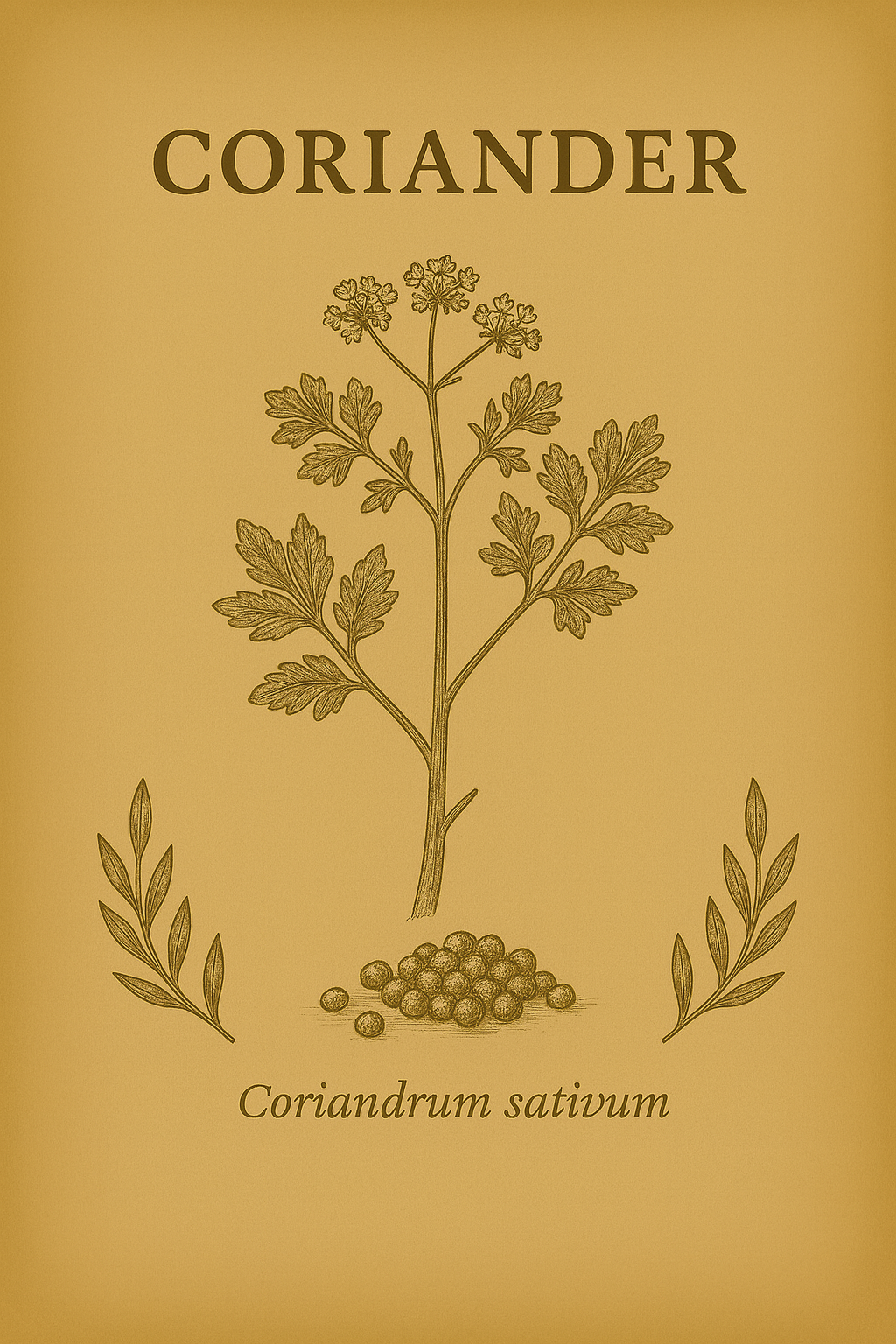
Coriander - Compared to manna in the wilderness (Exodus 16:31, Numbers 11:7)
Cultural Use: Familiar spice in ancient Israel, resembling the manna God provided in the desert. Used in cooking and seasoning.
Spiritual Meaning: Symbol of divine provision and simplicity — a reminder that God’s blessings can appear in humble, everyday forms.
Physical Use: Known to aid digestion, reduce bloating, and purify the blood. Crushed seeds were steeped into teas for cooling the body.
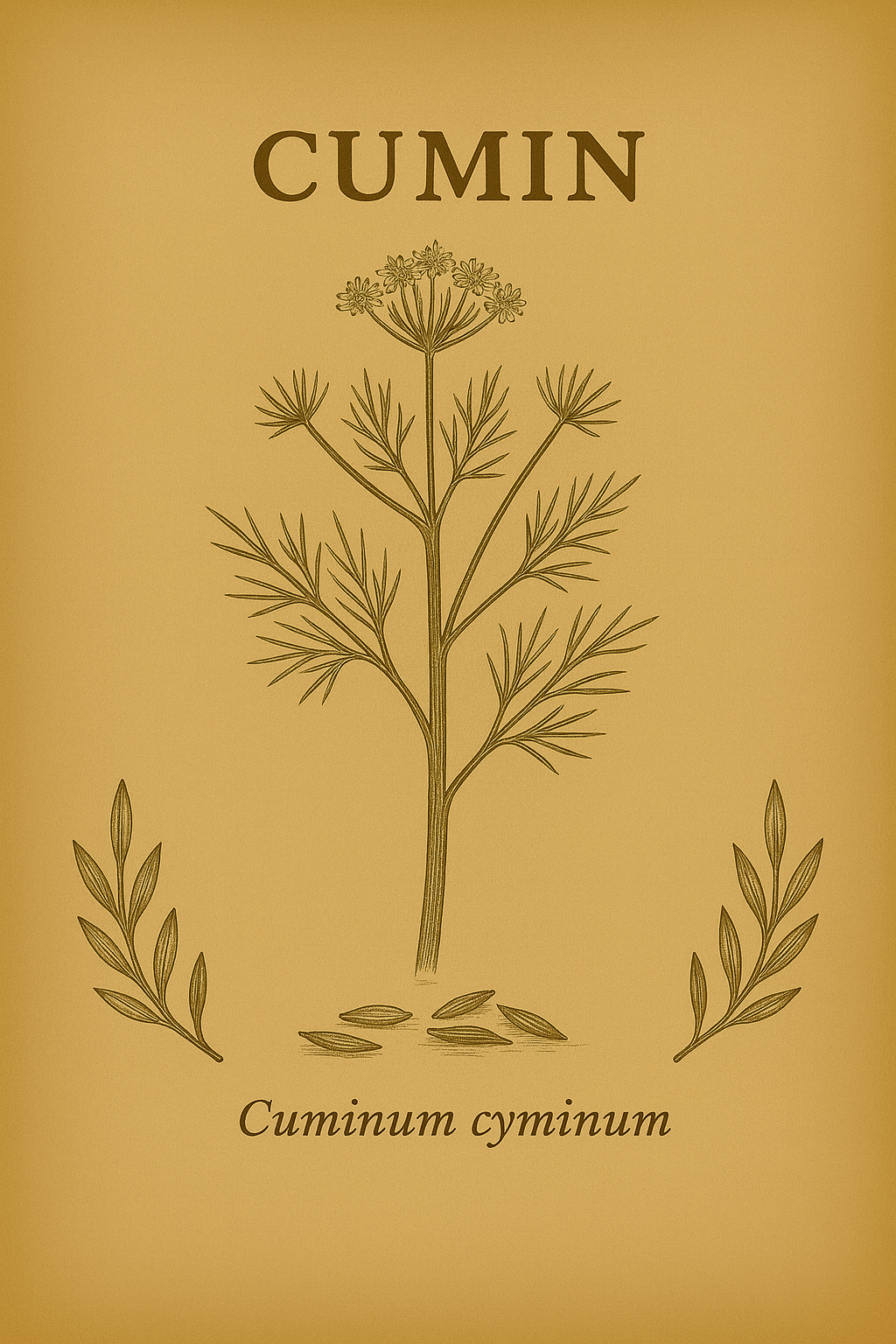
Cumin – Used in agriculture and daily cooking. (Isaiah 28:25 Matthew 23:23)
Cultural Use: Common kitchen herbs and tithes given to the temple.
Spiritual Meaning: Attention to small details of faith and gratitude. Jesus referenced them to teach about sincerity over ritual.
Physical Use: These herbs acted as digestive aids, anti-parasitic, and detoxifying agents, easing stomach cramps and bloating.
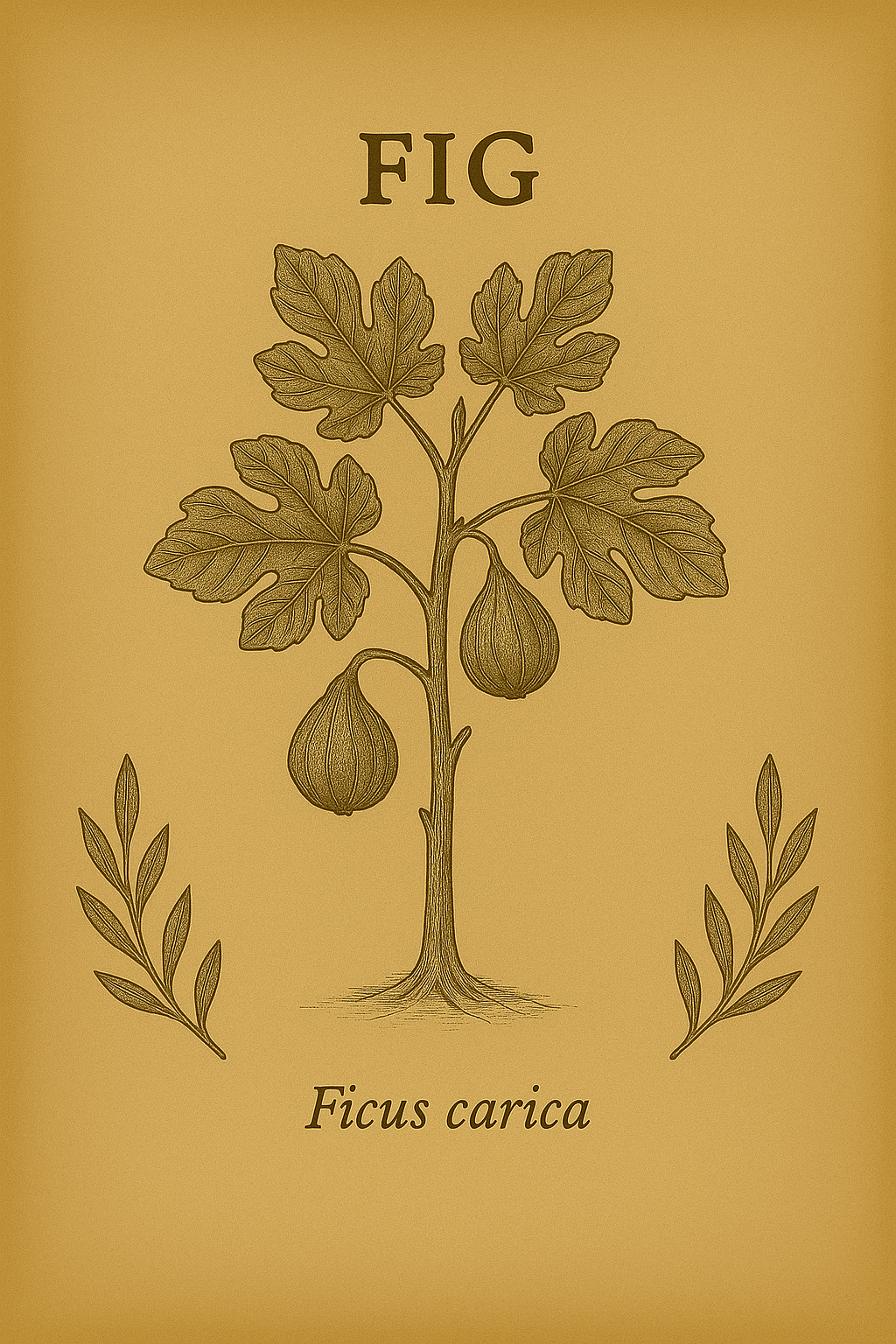
Figs – Applied medicinally by Isaiah. (Isaiah 38:21 2Kings 20:7 Micah 4:4)
Cultural Use: A staple fruit in Israel’s diet and medicine.
Spiritual Meaning: Healing, nourishment, and fruitfulness. Used symbolically for peace (“every man under his vine and fig tree”).
Physical Use: Figs and fig poultices were used to treat boils and ulcers. Dried figs aided digestion and energy.
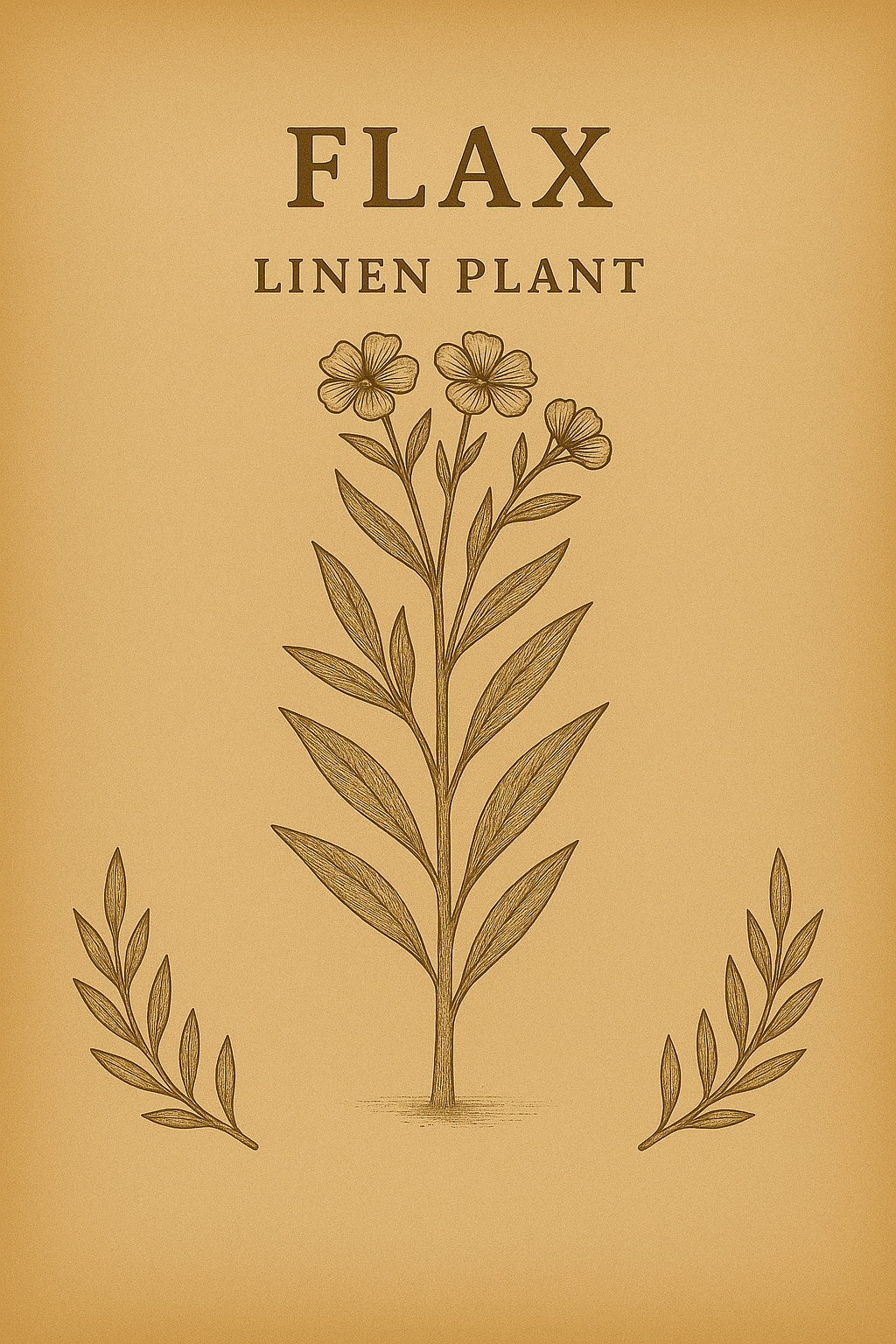
Flax (Linen Plant) – Source of linen cloth. (Exodus 9:31; Joshua 2:6; Proverbs 31:13
Cultural Use: Grown for linen textiles, used in priestly garments and domestic weaving.
Spiritual Meaning: Purity, righteousness, and diligence. Represents the work of holy hands — the weaving of faith into daily life.
Physical Use: Flax seeds support digestion, skin health, and hormone balance. Linen fibers were valued for their cleanliness and cooling properties.
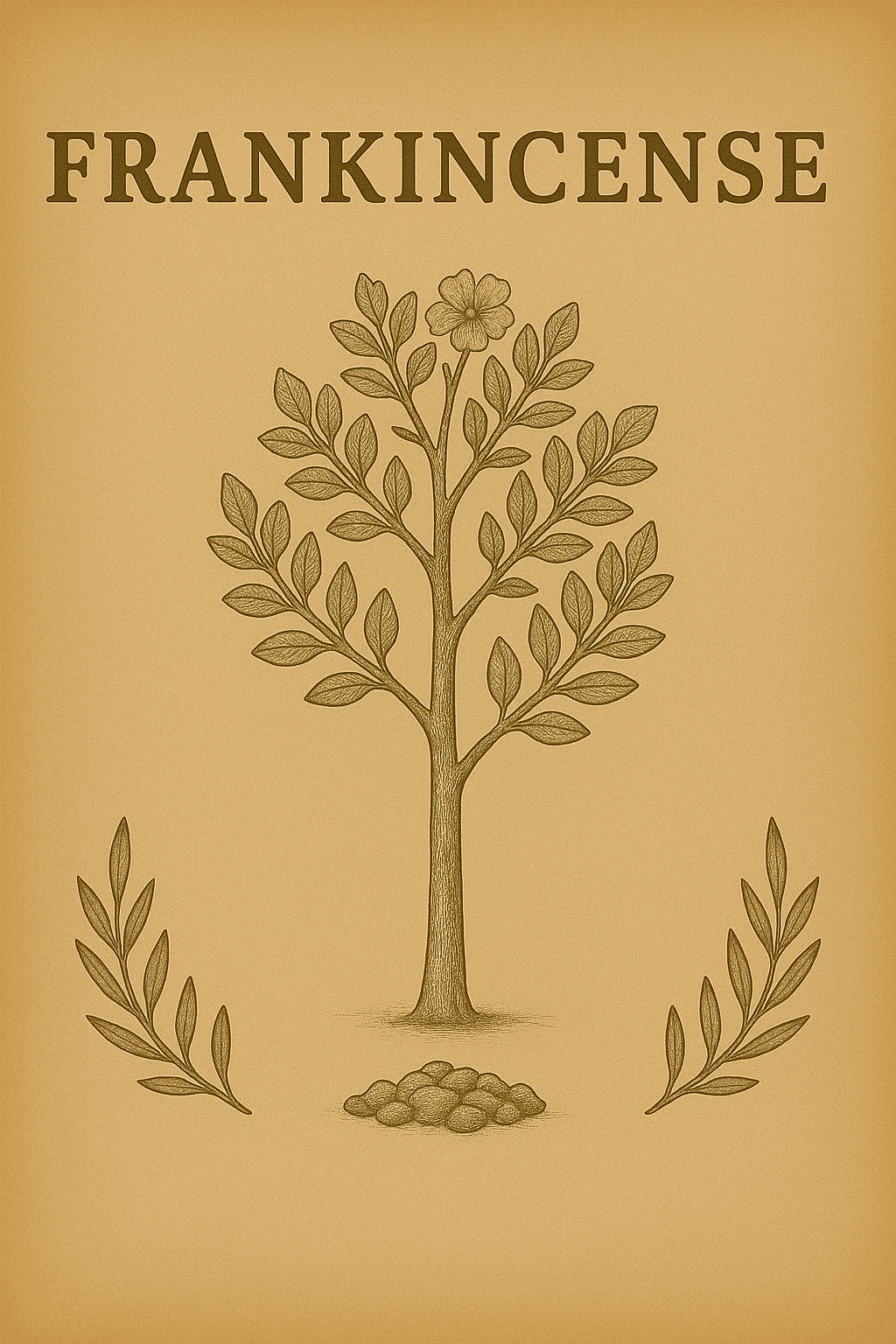
Frankincense – One of the gifts presented to baby Jesus. (Matthew 2:11, Exodus 30:34 Isaiah 60:6)
Cultural Use: A precious resin imported from Arabia, used in temple incense and offerings.
Spiritual Meaning: Prayer, sanctification, and presence before God. Smoke of frankincense represented prayers ascending to heaven.
Physical Use: Used as an anti-inflammatory and antiseptic, easing arthritis, gum disease, and chest congestion. Calms the nervous system when burned or inhaled
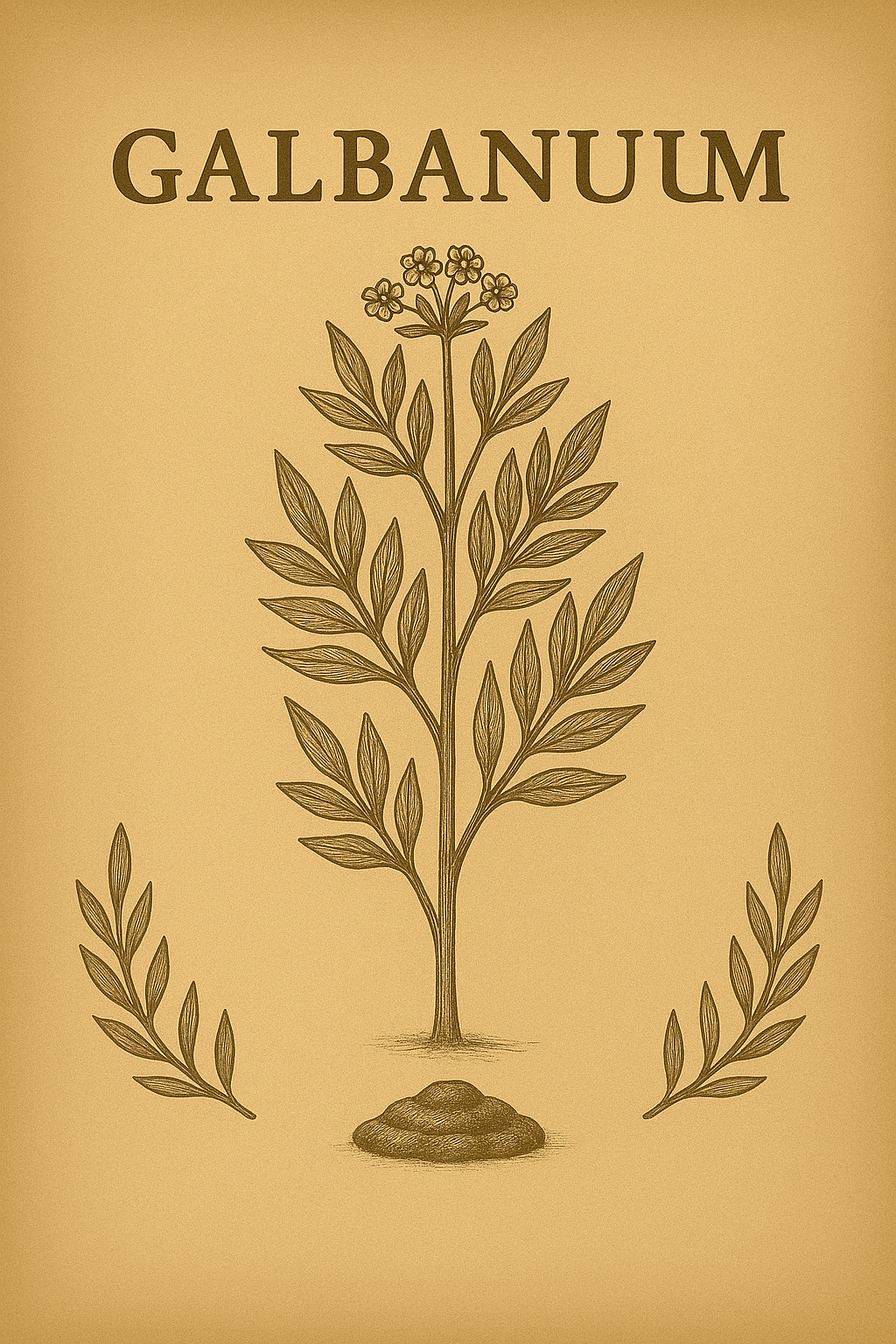
Galbanum - Fragrant gum in holy incense. (Exodus 30:34)
Cultural Use: Collected from desert plants in Persia and Syria, blended with frankincense and myrrh for priestly incense.
Spiritual Meaning: Symbol of repentance and truth — even though its scent was bitter alone, when mixed with others it became beautiful, showing that all parts of life can glorify God.
Physical Use: Used as an antiseptic balm and muscle relaxant. Its scent repels insects and purifies the air.
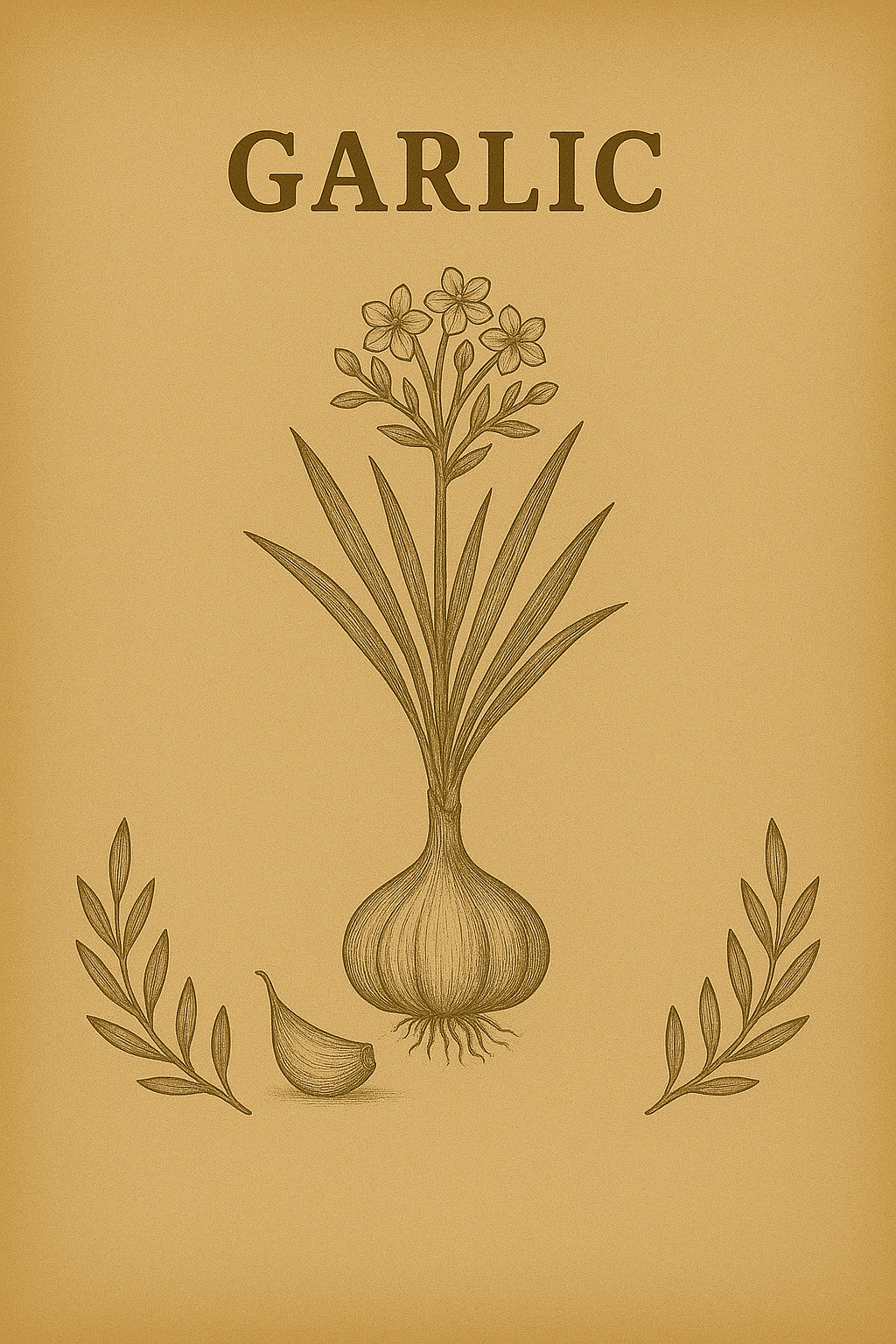
Garlic – Recalled by Israelites as part of their Egyptian diet. (Numbers 11:5)
Cultural Use: Mentioned by Israelites who missed Egypt’s foods, garlic was a household remedy across the ancient Near East.
Spiritual Meaning: Protection, strength, and resilience. Symbolically repels decay and negative influence — used in both diet and defense against disease.
Physical Use: A natural antibiotic, immune booster, and blood cleanser. Crushed or infused in oil, it treats infections, colds, and digestive issues.
Honey - Proverbs 24:13, 1 Samuel 14:27
Cultural Use: Wild honey was a prized food and medicine in Israel; the Promised Land was called “a land flowing with milk and honey.”
Spiritual Meaning: Sweetness of wisdom and divine favor. Honey represented nourishment from the Word of God and the fruit of obedience.
Physical Use: Used as a natural antibiotic and wound healer, soothing sore throats, burns, and infections. Also aids digestion and energy recovery.

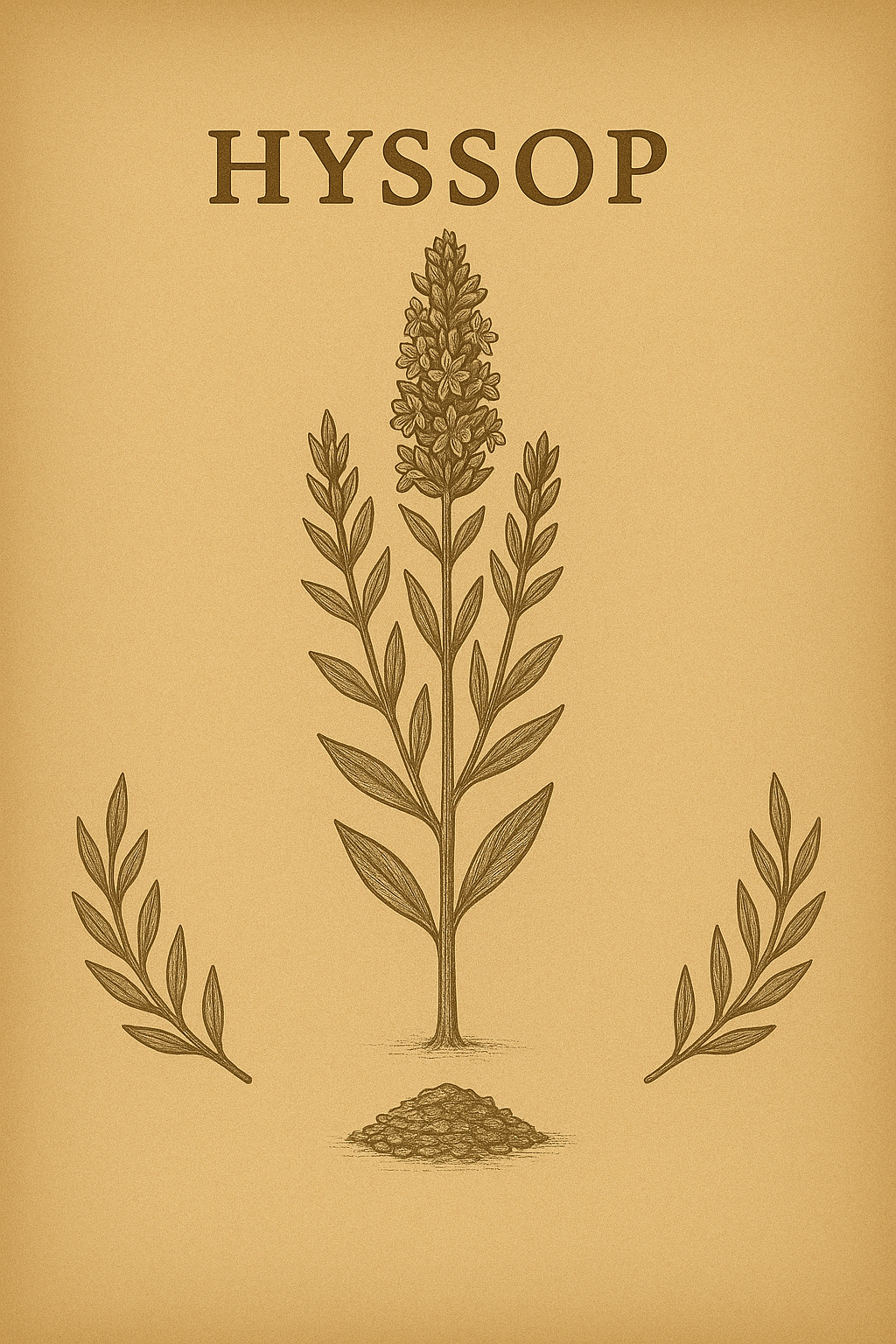
Hyssop – Used for ritual purification. (Exodus 12:22, Psalm 51:7 John 19:29)
Cultural Use: Hyssop grew wild on walls and was gathered during purification rituals. It was used by priests to sprinkle water or blood for cleansing from sin or disease.
Spiritual Meaning: Purification, spiritual renewal, and release of guilt. David prayed, “Purge me with hyssop, and I shall be clean.” It symbolizes confession and inner washing.
Physical Use: Used as an antiseptic and respiratory herb, clearing mucus and chest infections. Infused in hot water, it supports lungs, digestion, and menstrual flow.
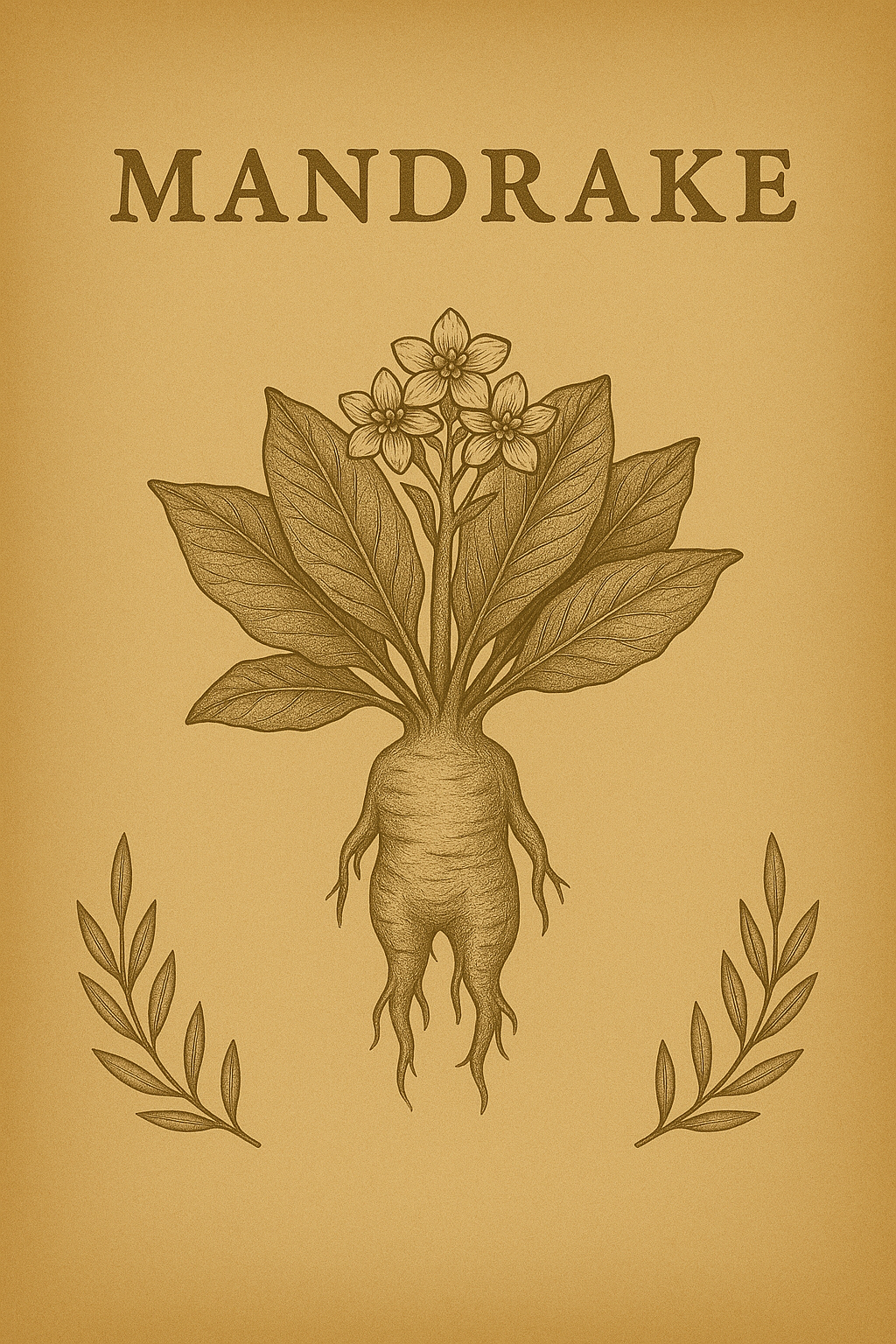
Mandrake - A love plant in scripture (Genesis 30:14-16, Song of Solomon 7:13)
Cultural Use: Considered an aphrodisiac and fertility herb in the ancient Near East. Its root, shaped like a human figure, was believed to enhance conception and attraction.
Spiritual Meaning: Desire, fertility, and answered prayers. Symbolizes longing fulfilled and divine timing in matters of love and fruitfulness.
Physical Use: Used in very small doses for calming nerves and as a sedative. The root’s scent was thought to inspire affection and relaxation.
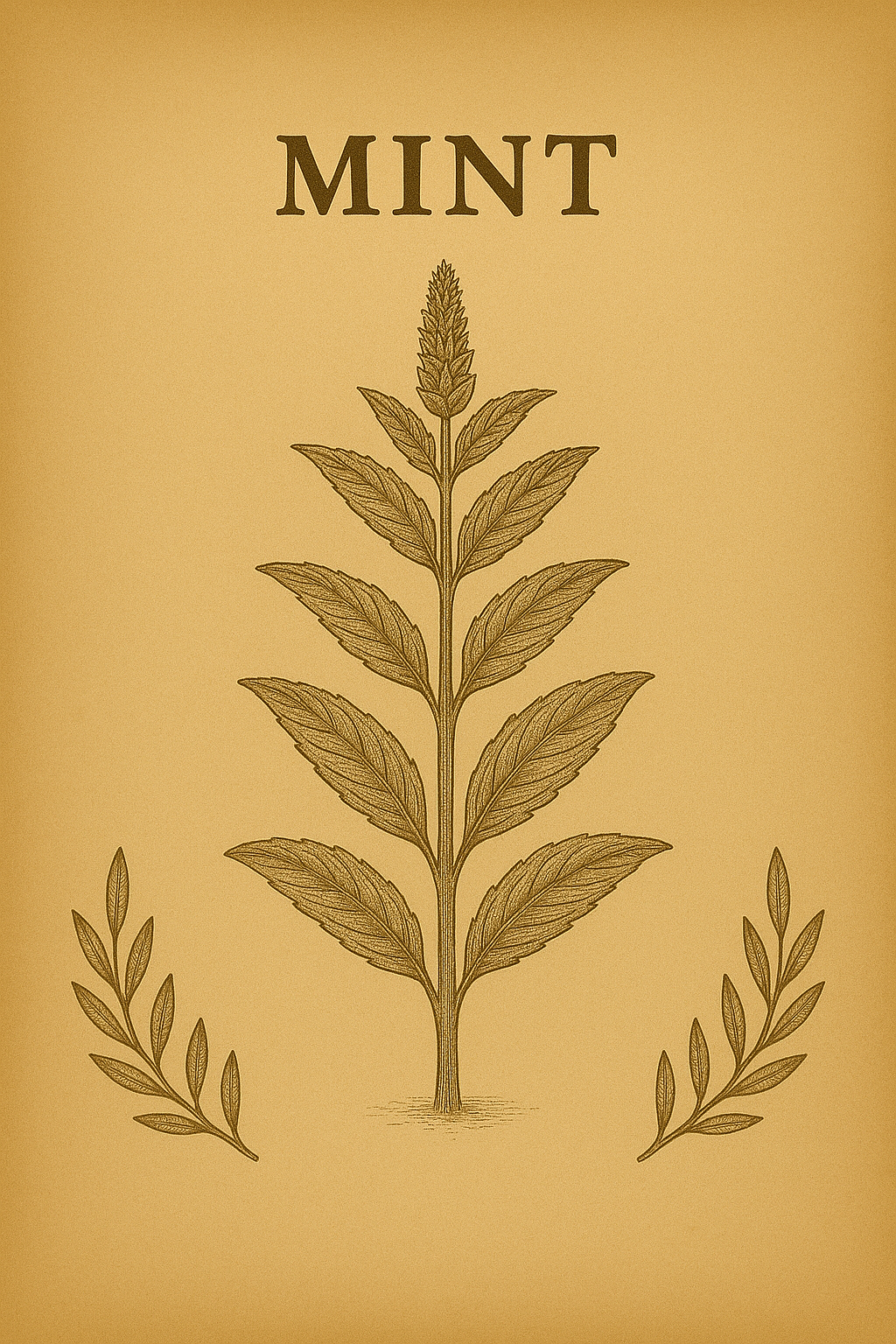
Mint – Used in ritual offerings. (Matthew 23:23, Luke 11:42)
Cultural Use: Common herb for tithing and household refreshment; its scent was used in purifying homes.
Spiritual Meaning: Hospitality, renewal, and purity. Represents the refreshing of the soul and home through kindness and cleanliness.
Physical Use: Digestive and cooling herb, easing nausea, headaches, and sinus congestion. Steeped mint leaves were used for stomach upset and clarity.
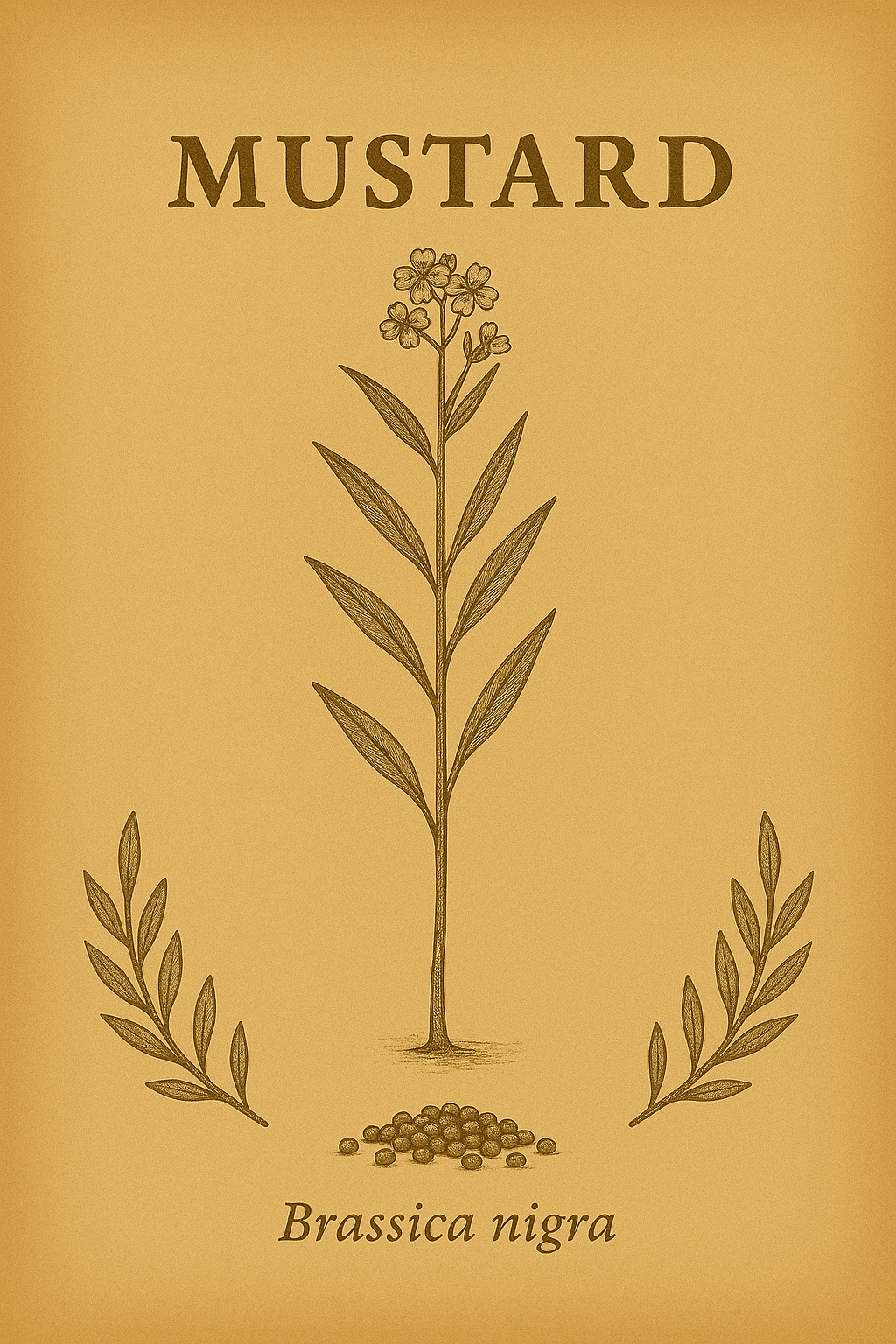
Mustard – Used to teach about faith. (Luke 17:6 Matthew 13:31-32 Mark 4:31-32)
Cultural Use: A common seed used in cooking and medicinal poultices.
Spiritual Meaning: Faith and expansion. The mustard seed symbolizes small beginnings that grow into great blessings — faith that heals and multiplies.
Physical Use: Used as a circulatory stimulant and detoxifier. Mustard poultices eased chest congestion and arthritis pain. Mustard seeds supported digestion.
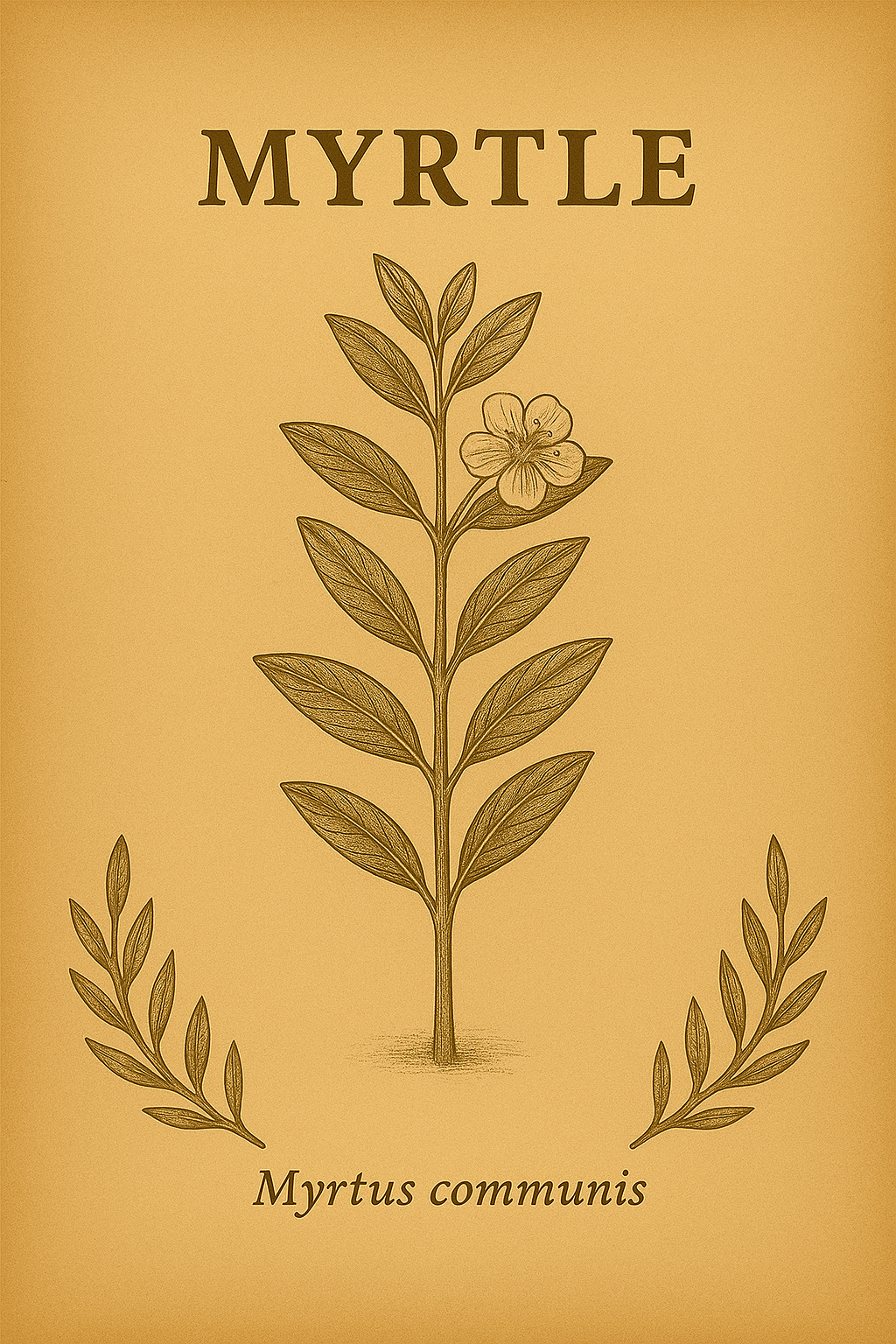
Myrtle - Used in feasts and purification (Nehemiah 8:15, Isaiah 41:19, Zechariah 1:8)
Cultural Use: Evergreen shrub with fragrant leaves, used in Sukkot (Feast of Tabernacles) and purification rituals.
Spiritual Meaning: Renewal, peace, and covenant joy. Symbolizes the restoration of Israel and the enduring beauty of faith.
Physical Use: Myrtle oil clears the lungs and skin, purifies the air, and promotes emotional balance.
Myrrh – Used in both offerings and anointing. (Genesis 43:11, Exodus 30:23, Esther 2:12, Song of Solomon 5:5)
Cultural Use: Used in the holy anointing oil and by women for purification before marriage.
Spiritual Meaning: Preparation, purification, and endurance through suffering. Associated with Queen Esther’s 6-month beautification process before meeting the king.
Physical Use: Myrrh is a powerful antimicrobial and wound healer. Used in oils or salves to treat infections and skin inflammation. Also used in fumigation and spiritual cleansing.2 Song of Solomon 5:5, Matthew 2:11)
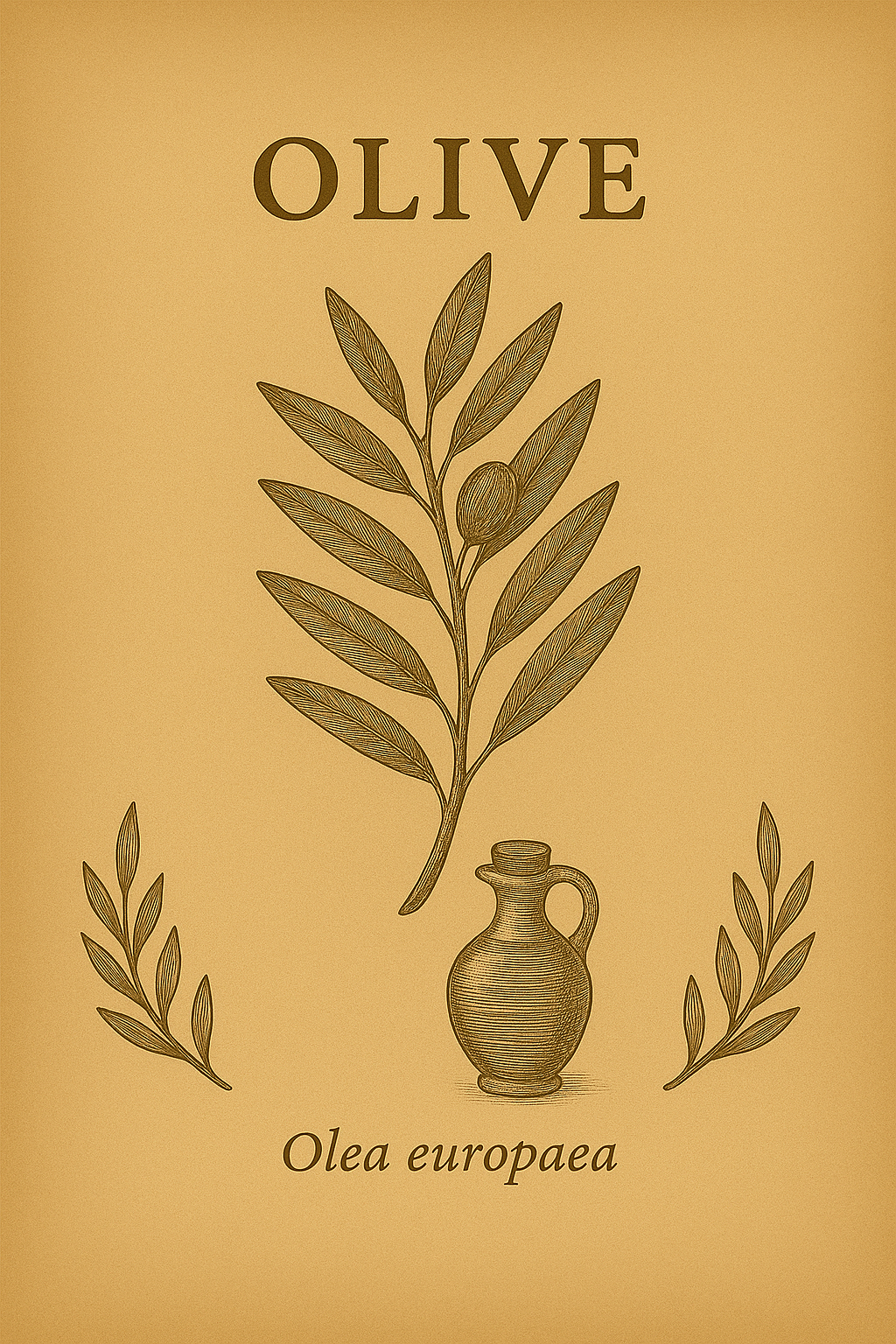
Olive + Olive Oil: Leviticus 24:2, 1 Kings 17:12–16, James 5:14
Cultural Use: The olive tree was sacred in Israel — a symbol of peace, anointing, and nourishment.
Spiritual Meaning: Anointing, consecration, endurance. The oil signified divine presence and empowerment; priests, kings, and prophets were anointed with it.
Physical Use: Olive oil was a base for balms and ointments, treating dry skin, wounds, and inflammation. Taken internally, it supports digestion and heart health.
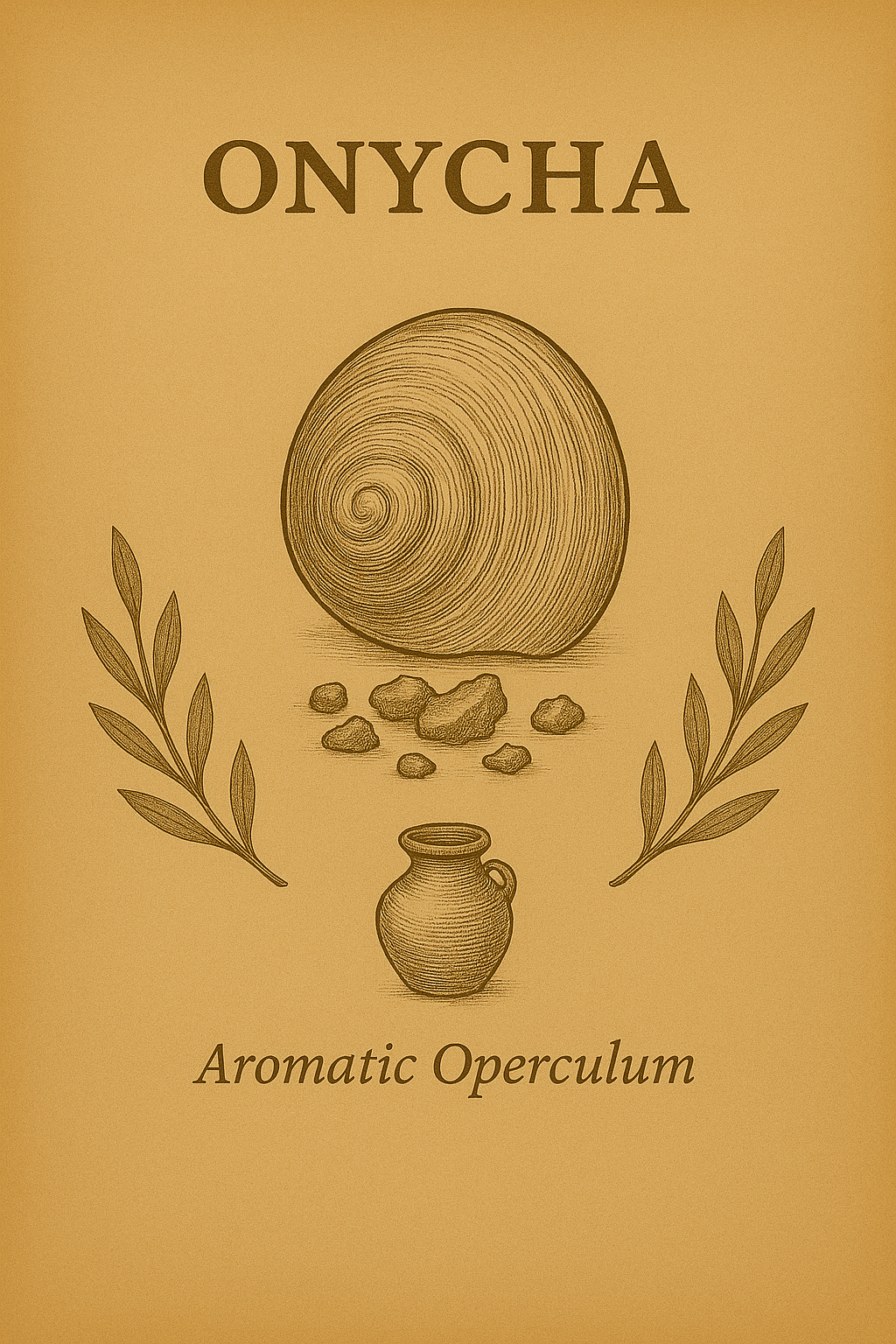
Onycha - Ingredients in sacred incense. (Exodus 30:34)
Cultural Use: Derived from a shell or resin imported from the Red Sea region, it gave incense a deep, musky tone in temple worship.
Spiritual Meaning: Represents depth in prayer and connection to the mysteries of God. Symbolizes grounded spirituality and sacred reverence.
Physical Use: The resinous extract was burned to calm the mind, cleanse the air, and promote relaxation during rituals.
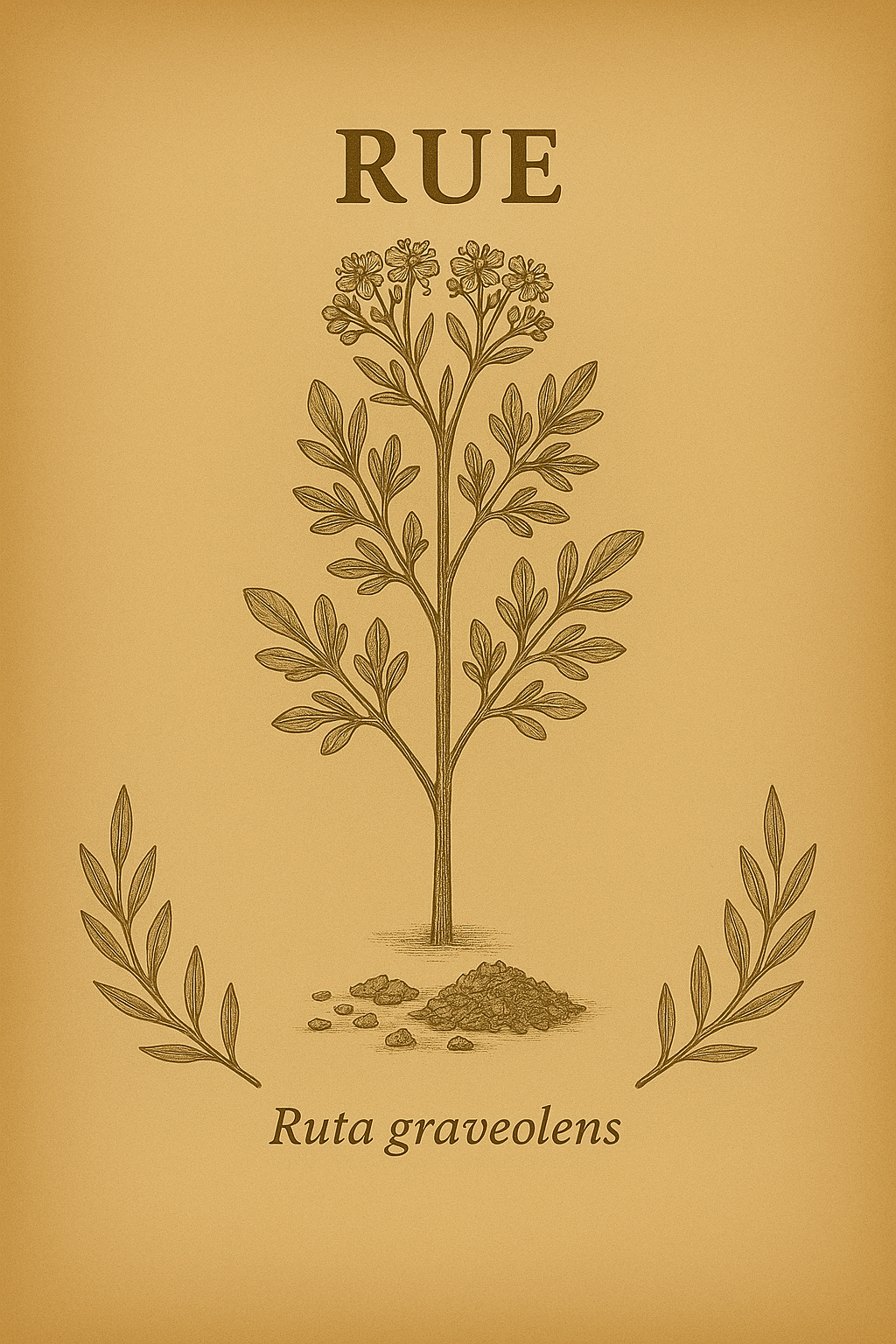
Rue -Known for cleansing and purification (Luke 11:42)
Cultural Use: Common household herb in the ancient Mediterranean, valued for ritual cleansing and protection.
Spiritual Meaning: Humility and sincerity in worship. Jesus referenced rue to teach discernment — not to overlook justice and love while keeping outward observances.
Physical Use: Used to aid digestion, relieve cramps, and ward off infection. In baths, it was used for cleansing negative energy and fatigue.
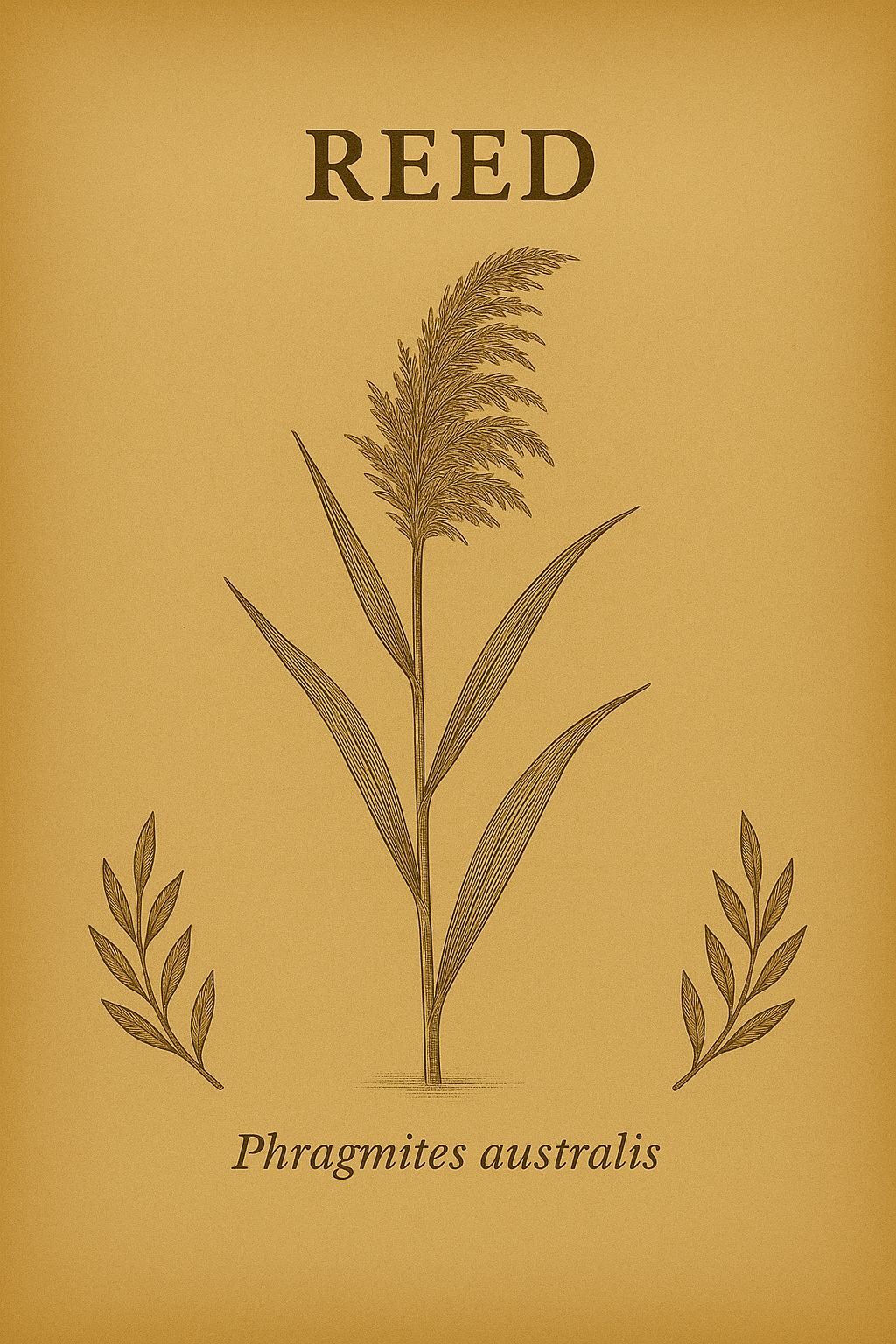
Reed/Papyrus - Used in Moses basket and temple crafts (Exodus 2:3, Isaiah 19; 6-7)
Cultural Use: Grown along the Nile, reeds and papyrus were used for baskets, writing materials, and aromatic mats.
Spiritual Meaning: Flexibility, humility, and faith under pressure. Represents endurance through testing — bending but not breaking.
Physical Use: The pith of reeds could be boiled for soothing inflammation and used as packing for wounds.
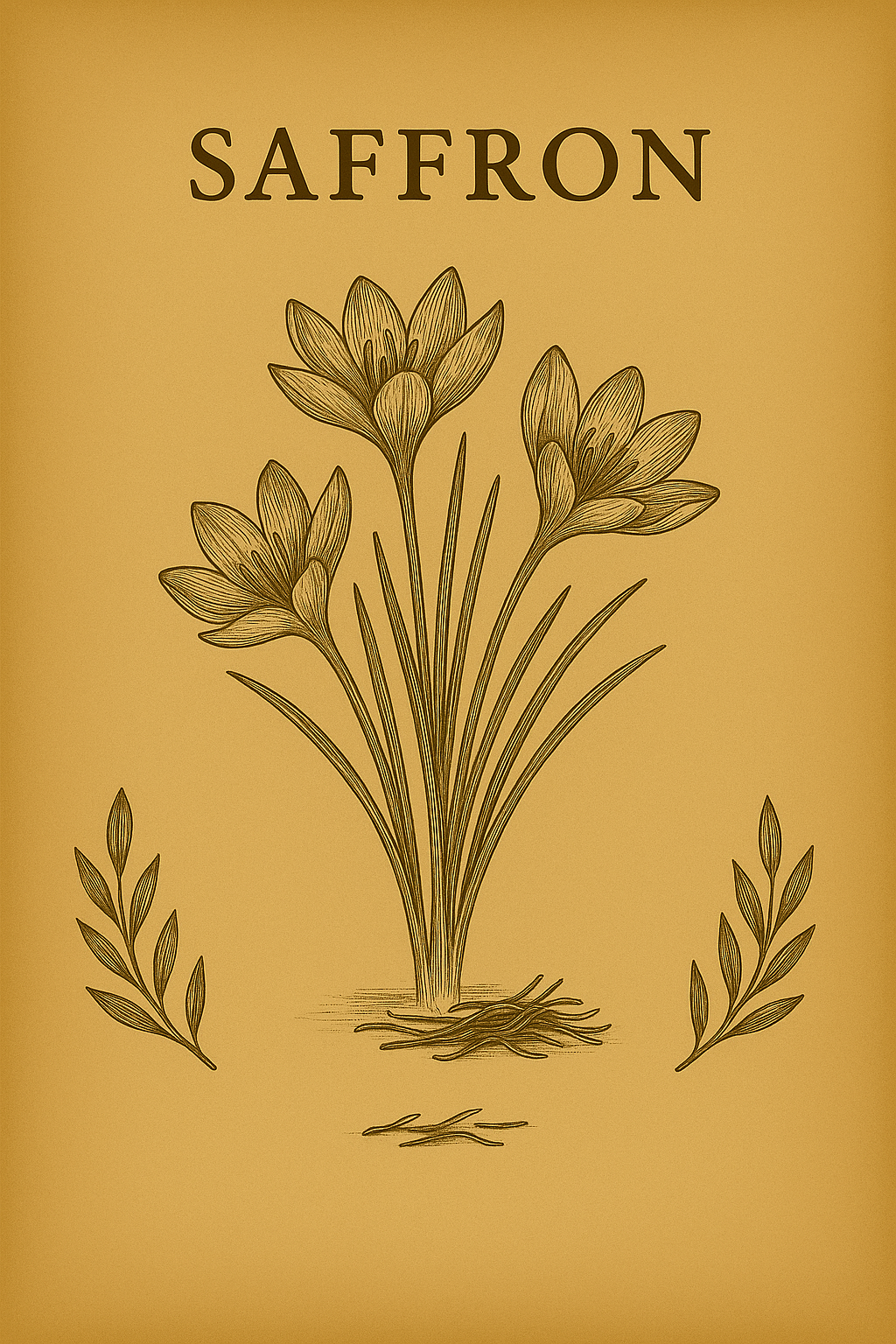
Saffron – Listed among the finest spices in poetic scripture. (Song of Solomon 4:14).
Cultural Use: A luxury spice grown in ancient Canaan and traded from Persia; valued for its golden color and perfume.
Spiritual Meaning: Joy, beauty, and sacred femininity. Represents divine love and the radiance of inner light — often tied to bridal purification rituals.
Physical Use: Mood-lifting and anti-inflammatory. Used for menstrual balance, skin glow, and easing anxiety. Steeped in oil, it enhanced beauty and fertility baths.
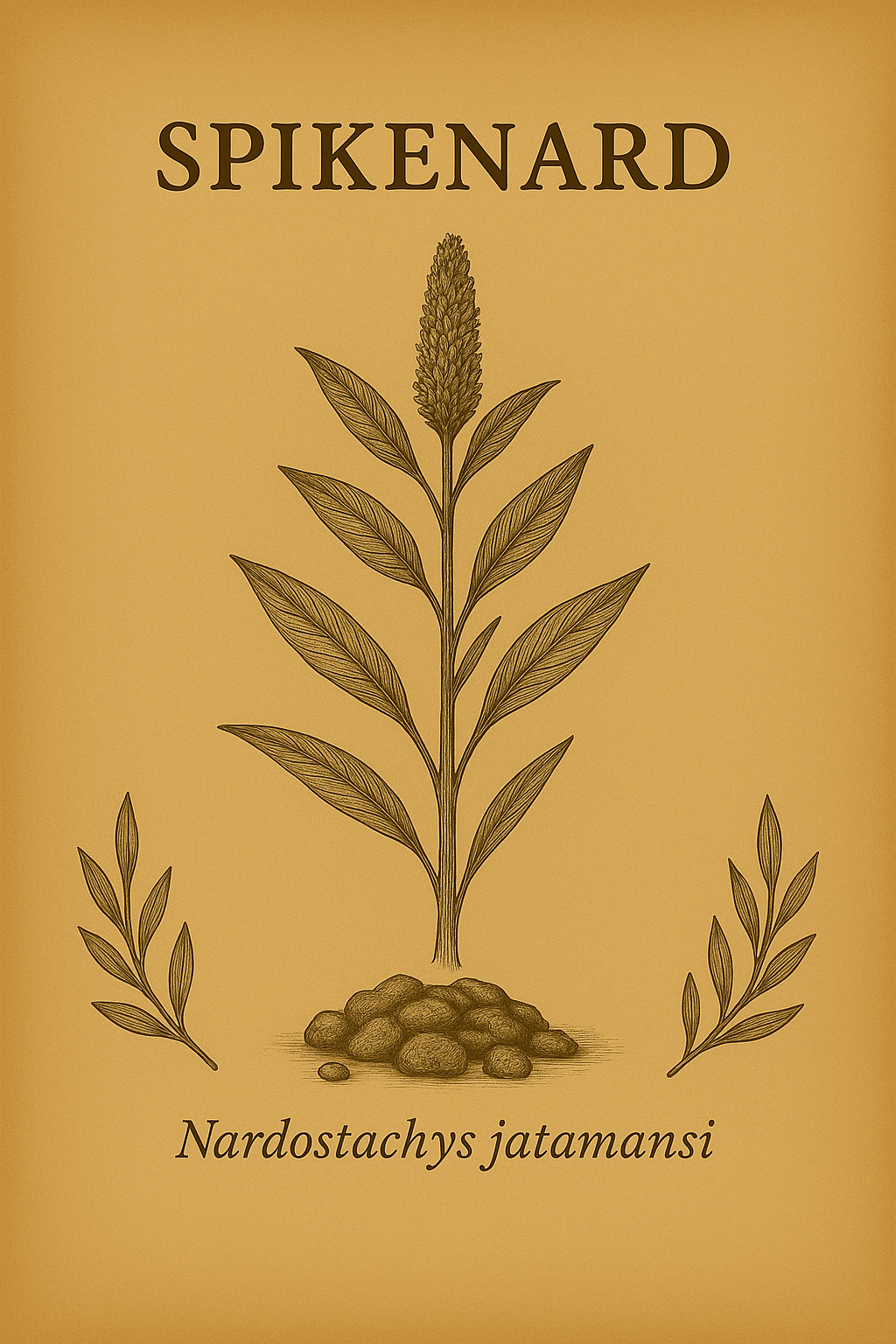
Spikenard - Symbol of devotion and sacrificial love (Song of Songs 1:12; 4:13-14; Mark 14:3; John 12:3)
Cultural Use: A rare perfume oil imported from the Himalayas, stored in alabaster jars and used for sacred anointing and burial rites.
Spiritual Meaning: Represents pure worship,devotion, humility, and sacrthe offering of one’s best to God—Mary’s act of pouring it on Jesus’ feet symbolized full surrender and love.
Physical Use: A calming, grounding oil that soothes the heart and nerves, relieves inflammation, and promotes restful sleep.
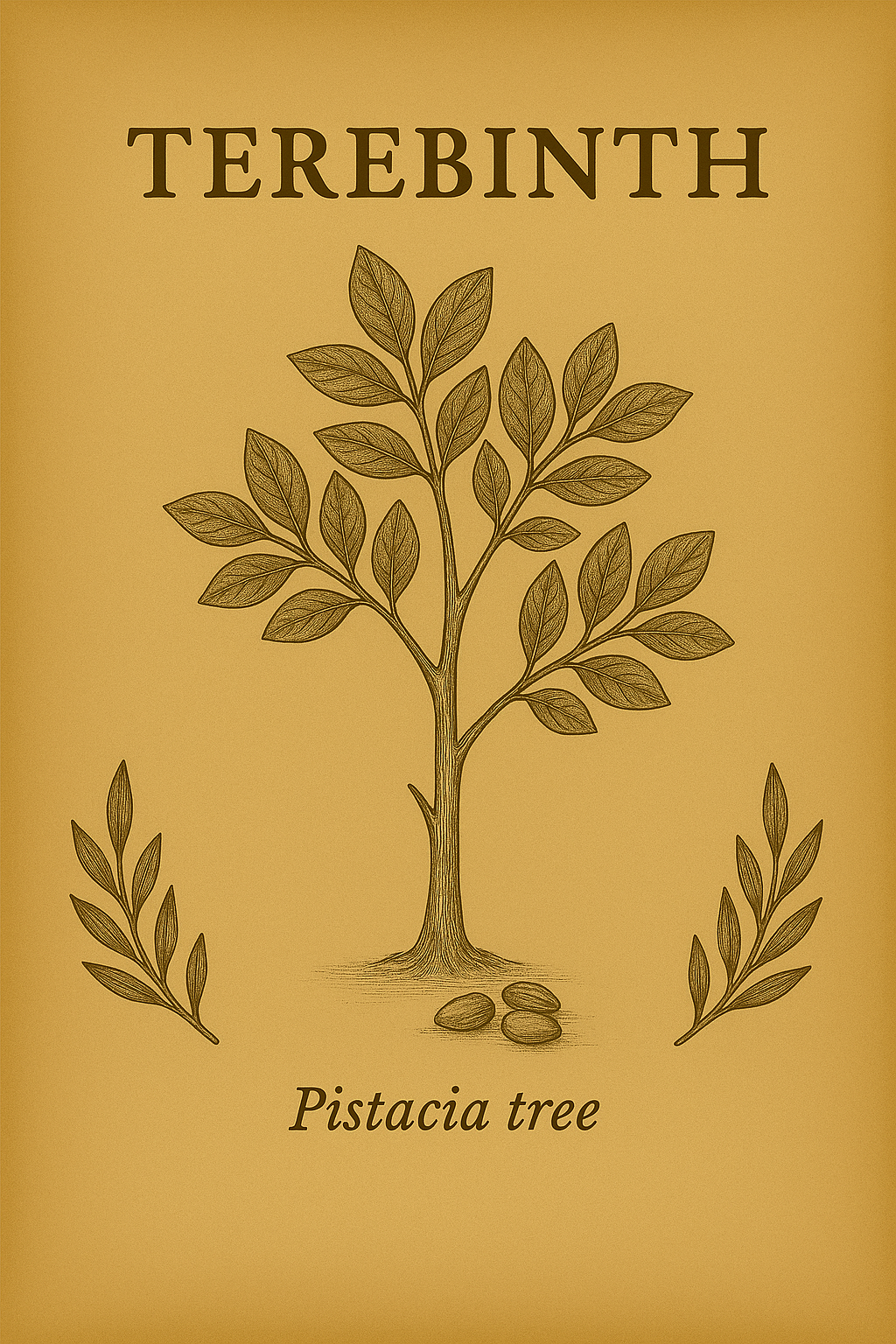
Terebinth (Oak / Pistacia Tree) – Sacred trees of appearance and covenant. (Genesis 35:4; Isaiah 6:13)
Cultural Use: Tall trees used as landmarks and for shade; associated with patriarchal altars and sacred sites.
Spiritual Meaning: Strength, endurance, and rooted faith. Represents those who stand firm in covenant with God.
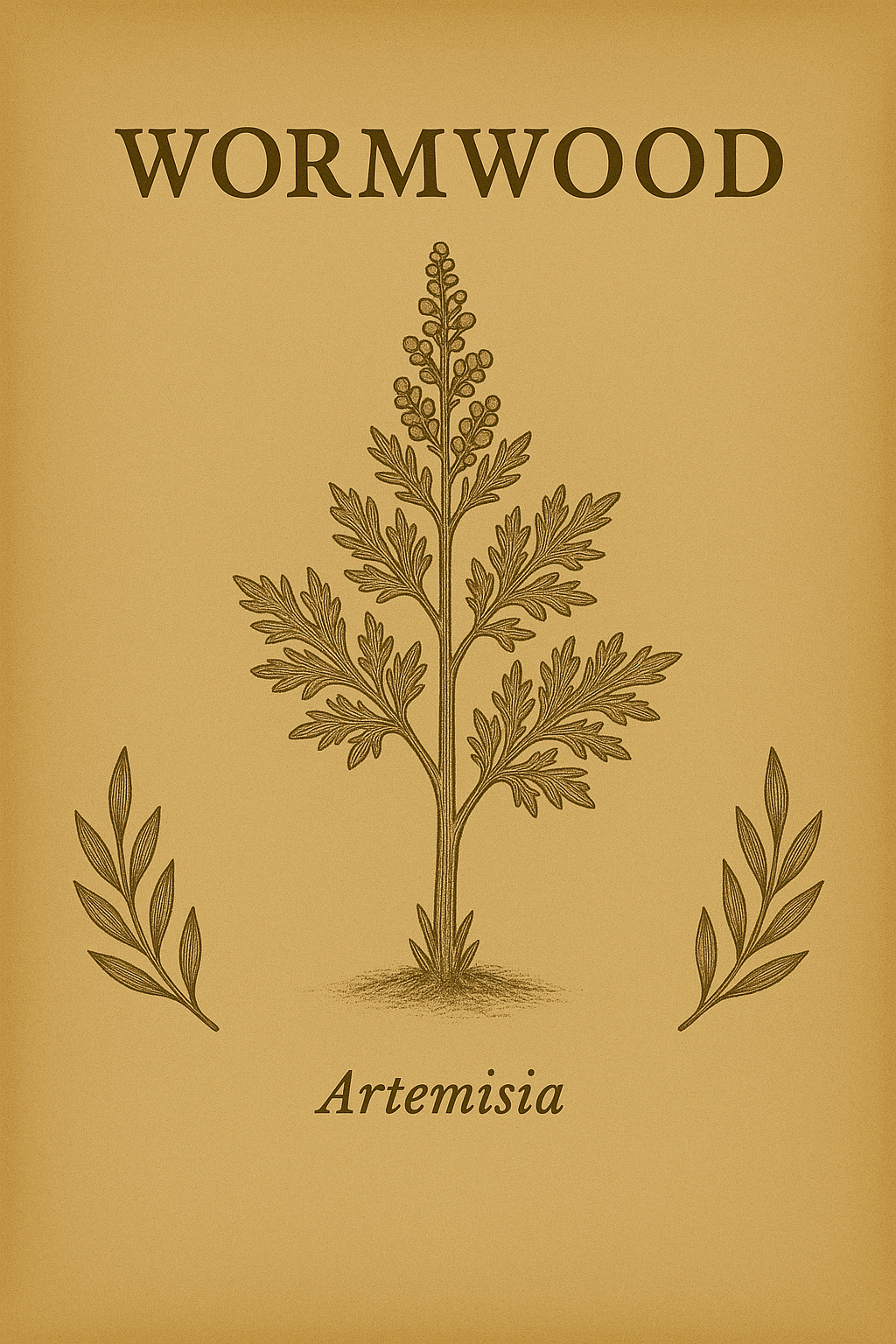
Wormwood – Symbol of bitterness and judgment in prophecy. (Deuteronomy 29:18, Proverbs 5:4, Lamentations 3:15
Cultural Use: Known for its strong bitterness, wormwood was a purging herb used for cleansing both body and spirit.
Spiritual Meaning: Repentance, purification, and release of bitterness. Symbolizes the removal of sin’s poison and emotional heaviness.
Physical Use: A potent detoxifier and anti-parasitic, supporting liver health and digestion. Taken in small doses as a cleansing tonic.