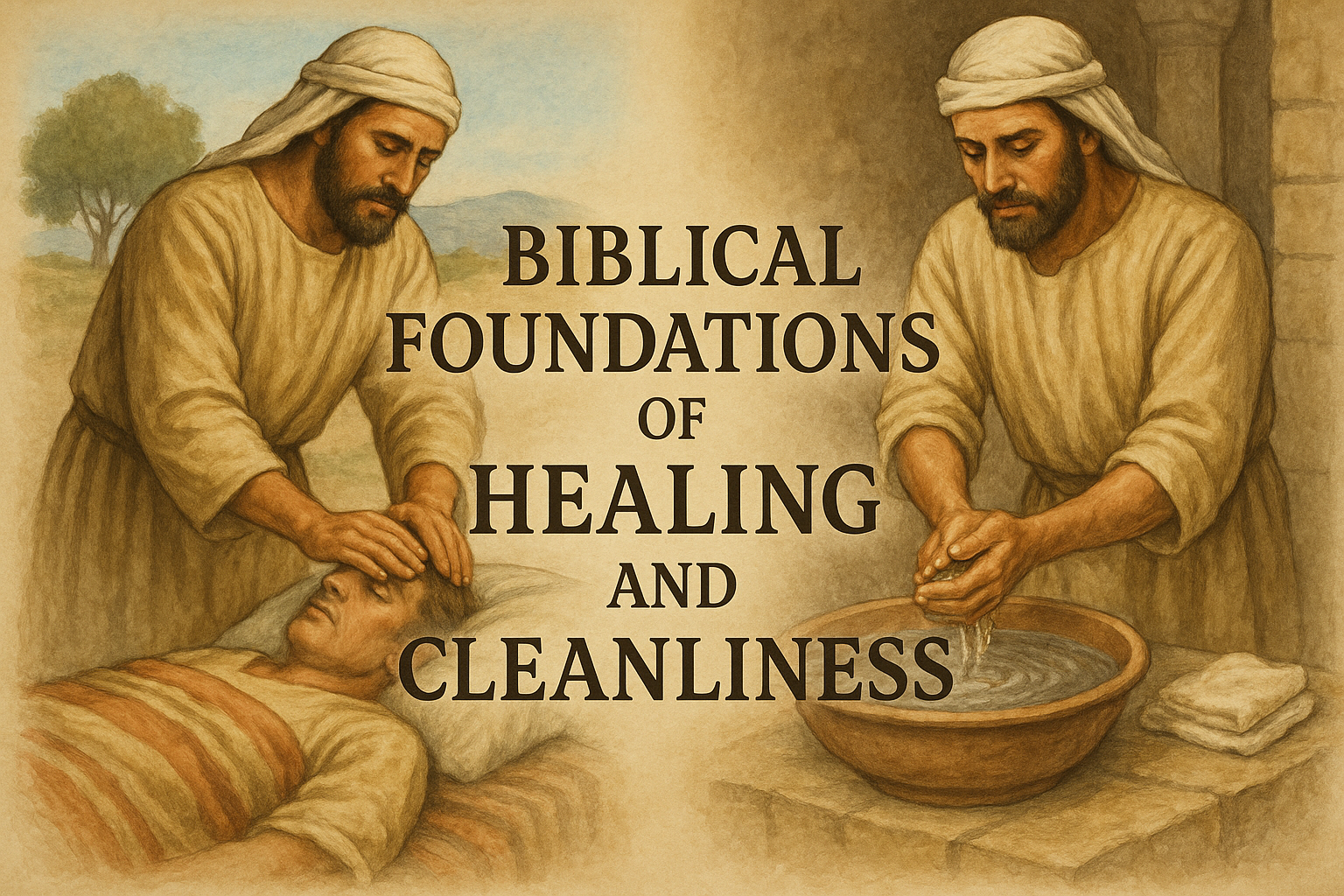
-
“And God said, Behold, I have given you every herb bearing seed, which is upon the face of all the earth, and every tree, in the which is the fruit of a tree yielding seed; to you it shall be for meat.”
-
“Moreover the LORD spake unto Moses, saying, Take thou also unto thee principal spices, of pure myrrh five hundred shekels, and of sweet cinnamon half so much, even two hundred and fifty shekels, and of sweet calamus two hundred and fifty shekels, And of cassia five hundred shekels, after the shekel of the sanctuary, and of oil olive an hin: And thou shalt make it an oil of holy ointment, an ointment compound after the art of the apothecary: it shall be an holy anointing oil.”
-
Descri“Is there no balm in Gilead? Is there no physician there? why then is not the health of the daughter of my people recovered?”
ption text goes here -
“He causeth the grass to grow for the cattle, and herb for the service of man: that he may bring forth food out of the earth.”
-
“For Isaiah had said, Let them take a lump of figs, and lay it for a plaister upon the boil, and he shall recover.”
-
“And by the river upon the bank thereof, on this side and on that side, shall grow all trees for meat, whose leaf shall not fade, neither shall the fruit thereof be consumed: it shall bring forth new fruit according to his months, because their waters they issued out of the sanctuary: and the fruit thereof shall be for meat, and the leaf thereof for medicine.”
-
“In the midst of the street of it, and on either side of the river, was there the tree of life, which bare twelve manner of fruits, and yielded her fruit every month: and the leaves of the tree were for the healing of the nations.”
From Genesis to Revelation, the Bible reveals a consistent truth that healing and purification are acts of divine grace. Every herb, every oil, every cleansing act was part of God's blueprint for wholeness
This page explores how God’s Word reveals His heart for healing, cleansing, and the gifts of creation. Whether you’re curious about biblical plants, seeking spiritual renewal, or wanting to understand how faith and natural care intersect, you’re welcome here.
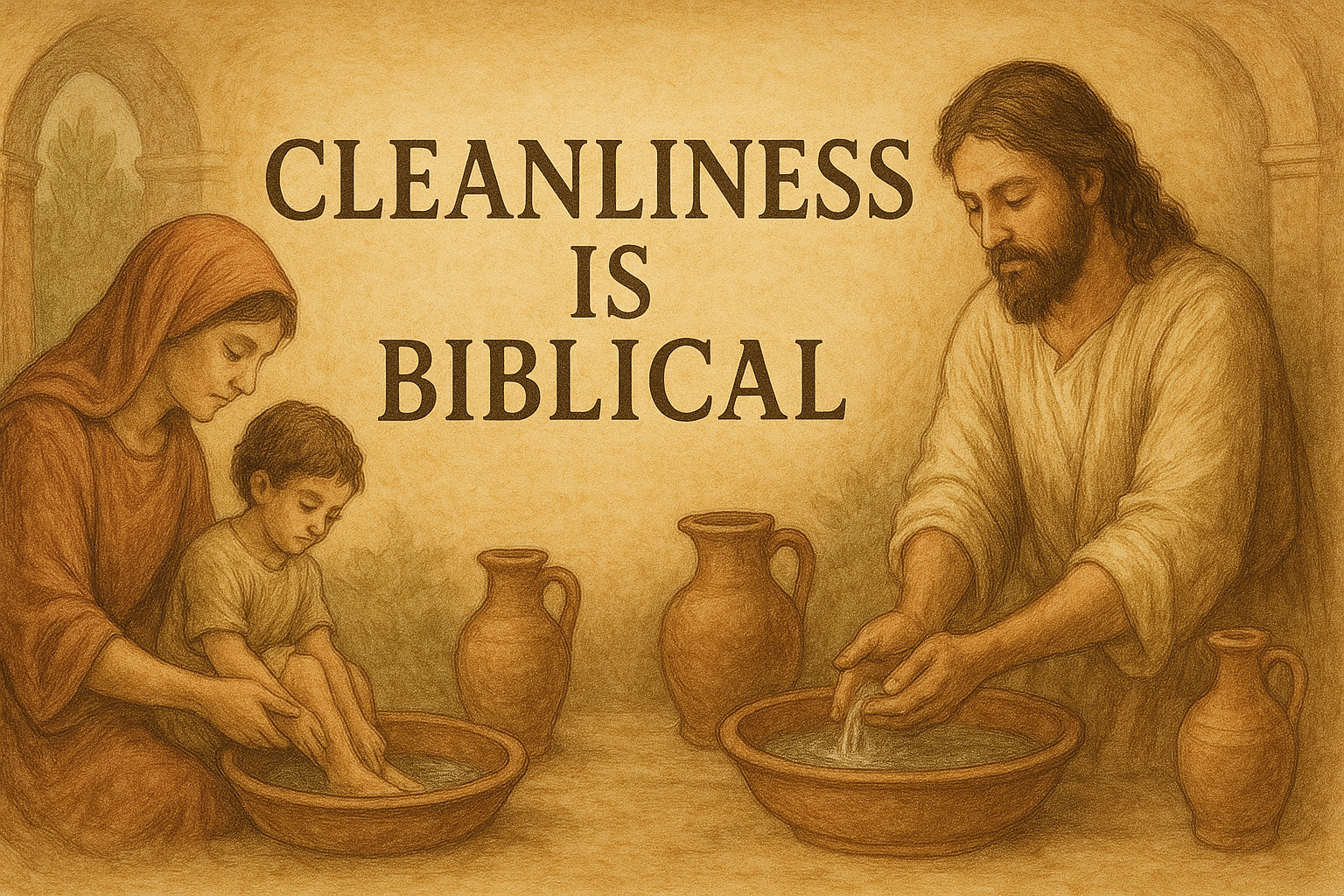
Throughout Scripture, purification rituals were a preparation before approaching the Most High. The physical act of washing was deeply symbolic of spiritual cleansing.
-
The Lord instructed Moses to create a holy anointing oil using myrrh, cinnamon, cassia, and olive oil — blended as a sacred ointment by the art of the apothecary.
-
“And Elisha sent a messenger unto him, saying, Go and wash in Jordan seven times, and thy flesh shall come again to thee, and thou shalt be clean.”
-
“Purge me with hyssop, and I shall be clean: wash me, and I shall be whiter than snow.
-
“Let them take a cake of figs and apply it to the boil, that he may recover.”
-
“After that he poureth water into a bason, and began to wash the disciples' feet, and to wipe them with the towel wherewith he was girded.”
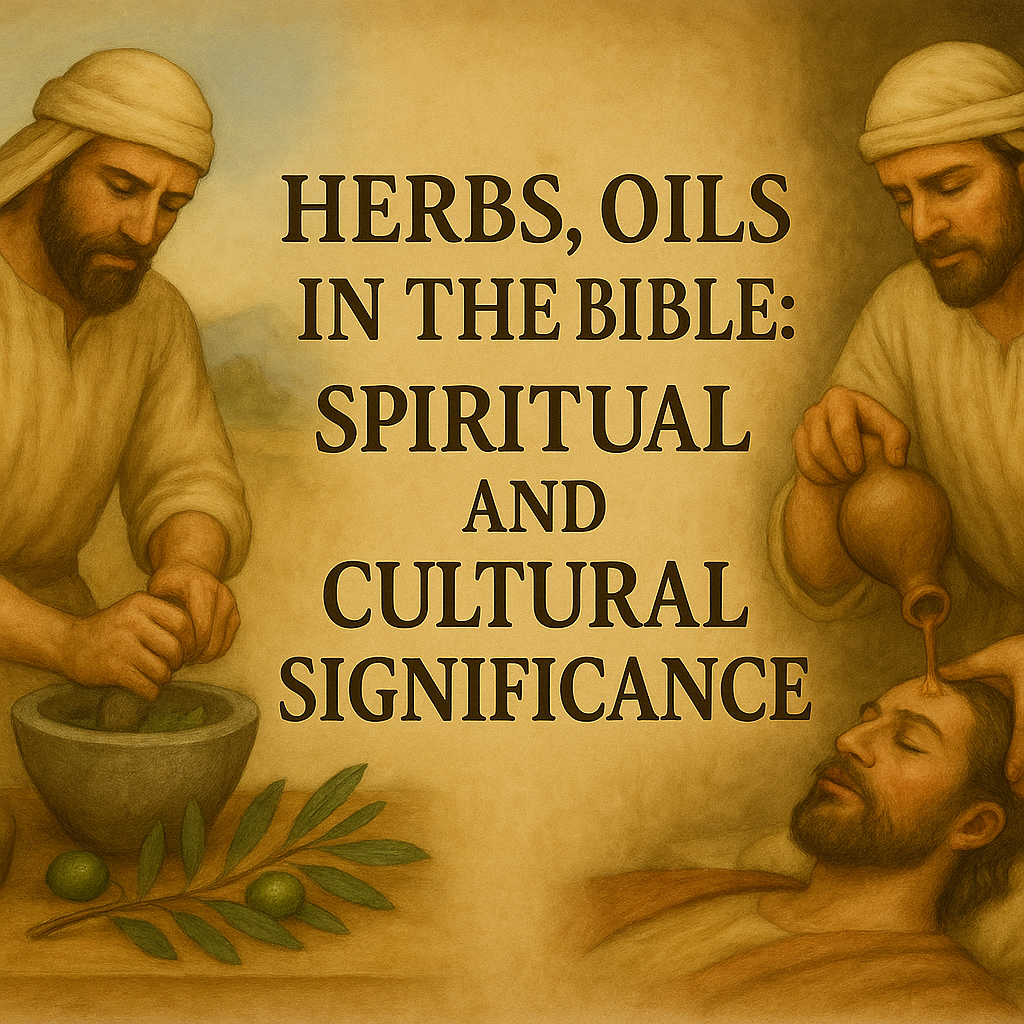
Click the link to our Plant index for herbs/Oils specifically mentioned in the Bible — used in medicine, anointing, and daily life. These examples show the deep cultural and spiritual roots of plant medicine in Scripture.
Each herb carries a story of healing, worship, and divine wisdom passed down through generations of faith.
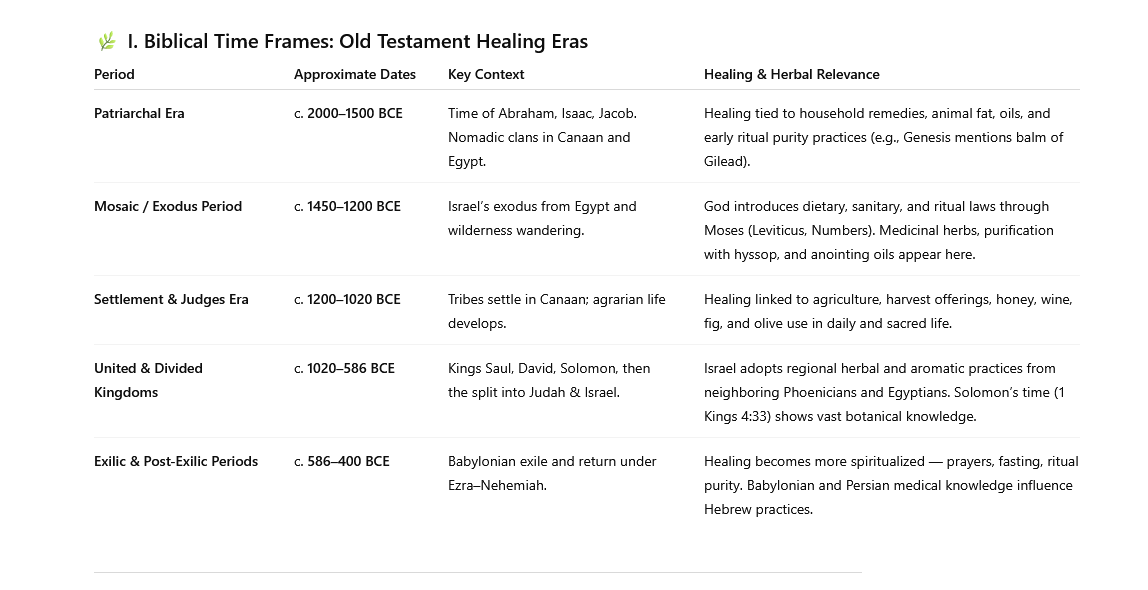
Historic concepts
In biblical times, illness was often seen as a disruption of divine order — a sign that something was out of alignment spiritually, physically, or communally.
Restoration required both repentance and remedy: prayer, obedience, cleansing, and the use of what God had already provided in the earth.
“If you diligently heed the voice of the LORD your God… I will put none of the diseases on you… for I am the LORD who heals you.”
— Exodus 15:26
Healing was not passive. It was participatory
Herbs, oils, and natural substances were woven into everyday life — not reserved for priests alone
Olive oil – base for anointing, soothing wounds, mixing with herbs.
Hyssop – cleansing (ritual and respiratory), used for purification in temple rites.
Myrrh & frankincense – antiseptic, used in incense and embalming.
Balm of Gilead – a healing resin traded from the region of Gilead.
Fig & honey – nutritional and healing foods; used for boils, wounds, and immunity.
Wine – antiseptic and digestive aid (see 1 Tim 5:23).
These were not symbolic only they were practical, embodied tools of care.
Healing in ancient Israel was communal and structured.
Midwives and wise women prepared herbal infusions, oils, and poultices.
Priests served as health inspectors (Leviticus 13–14), ensuring cleanliness laws were observed.
Bathing and anointing were sacred acts of renewal, not just hygiene.
Throughout Scripture, washing and anointing marked moments of transition, obedience, and restoration after illness, repentance, or before entering sacred service (Exodus 30; 2 Kings 5; Ruth 3; 2 Samuel 12).
Perfume and incense makers (Exodus 30) functioned as early apothecaries — blending oils for worship, healing and consercration.
Cleanliness was obedience. Cleanliness was holiness. Care was spiritual.
Ancient Israelites lived amid great civilizations:
Egyptians influenced their use of aloe, castor oil, honey, and natron salts.
Babylonians and Persians brought myrtle, cumin, and resin balms.
Phoenicians traded cedar oil and spices.
These exchanges shaped Israel’s biblical-era herbal medicine
Final Thoughts
Just as the Israelites used herbs for physical and spiritual cleansing, we too can honor God’s design by integrating prayerful, mindful care of our bodies and spirits whether through anointing, intentional bathing, or herbal wisdom grounded in Scripture.
These Scriptures offer us a divine blueprint. They remind us that God’s creation holds healing, not just for the body, but for the heart and spirit too. If you feel called to cleanse or reset, consider incorporating these Scriptural insights into your own walk with God — whether through prayerful bathing, using sacred herbs, or meditating on His Word.
At the bottom of this page, I’ll be including sources and studies for those who want to dig deeper into the Biblical use of herbs and cleanliness. I encourage you to study, discern, and pray on what’s aligned for your walk.